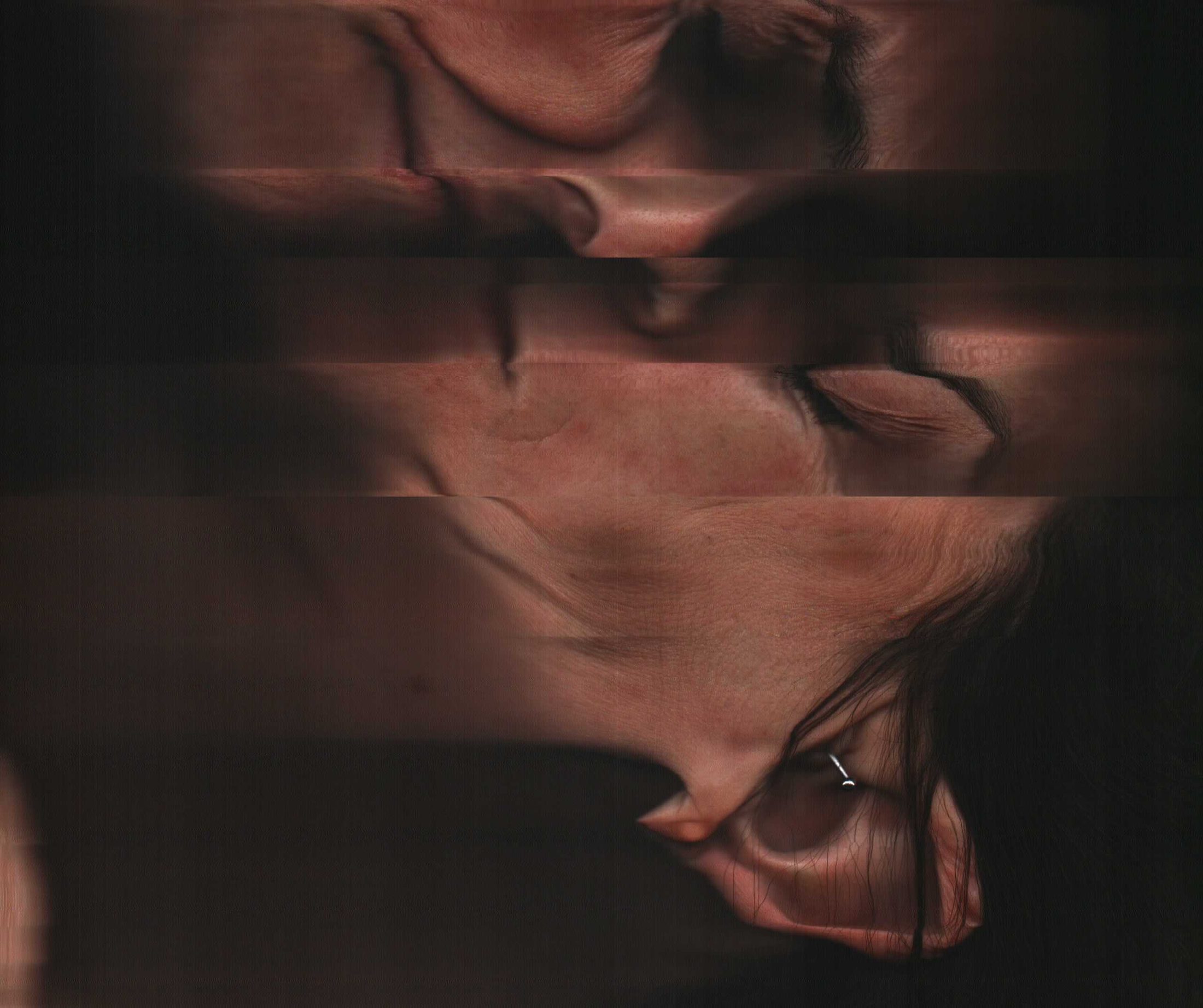
What happens when the body is translated solely into biodata? This investigation develops from my thesis and the desire to preserve ourselves through a digital presence, as though we did not want to lose even a milligram of our being. A scan promises to retain a surface. The work asks what happens when that recorded fragment begins to stand in for the whole person.
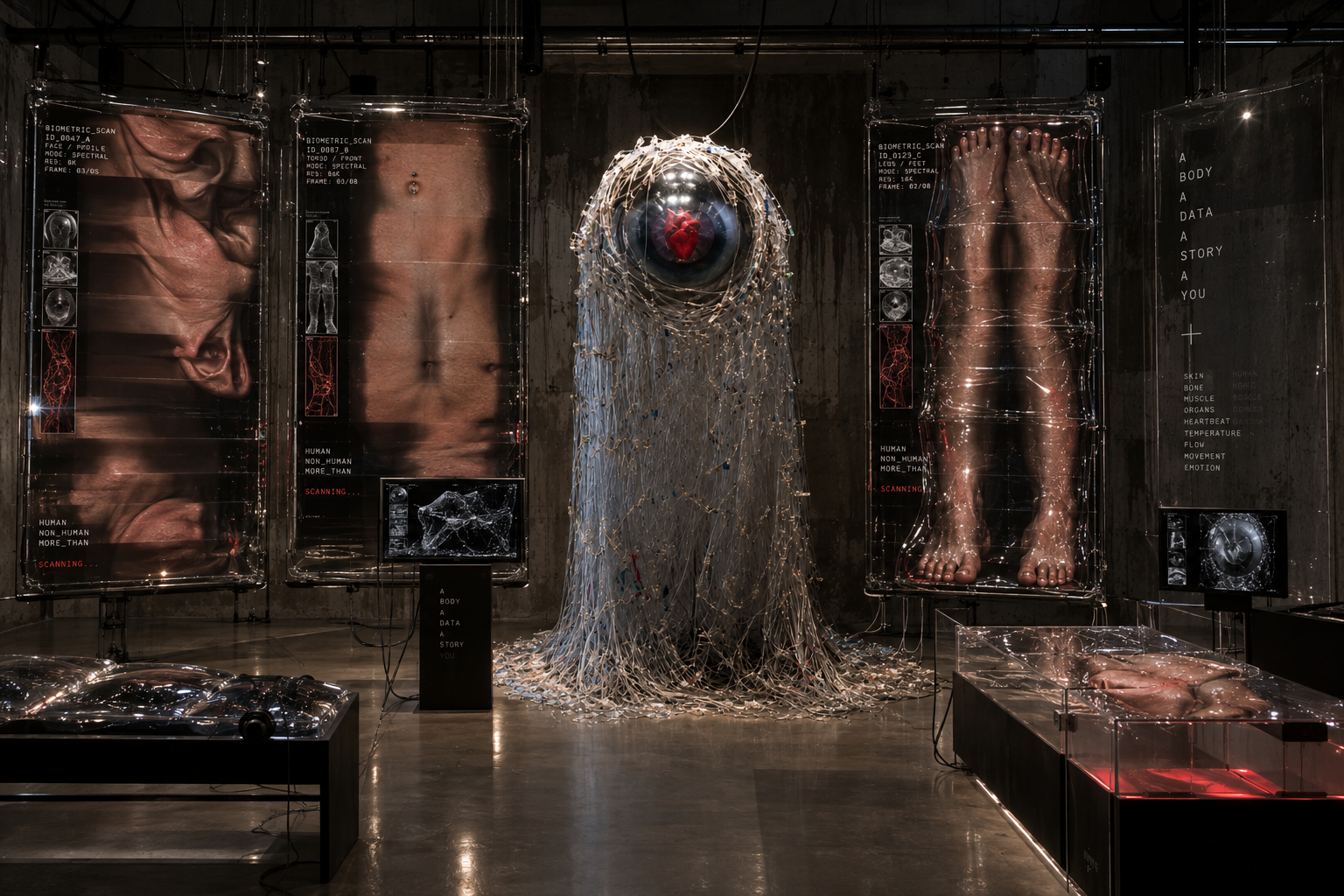
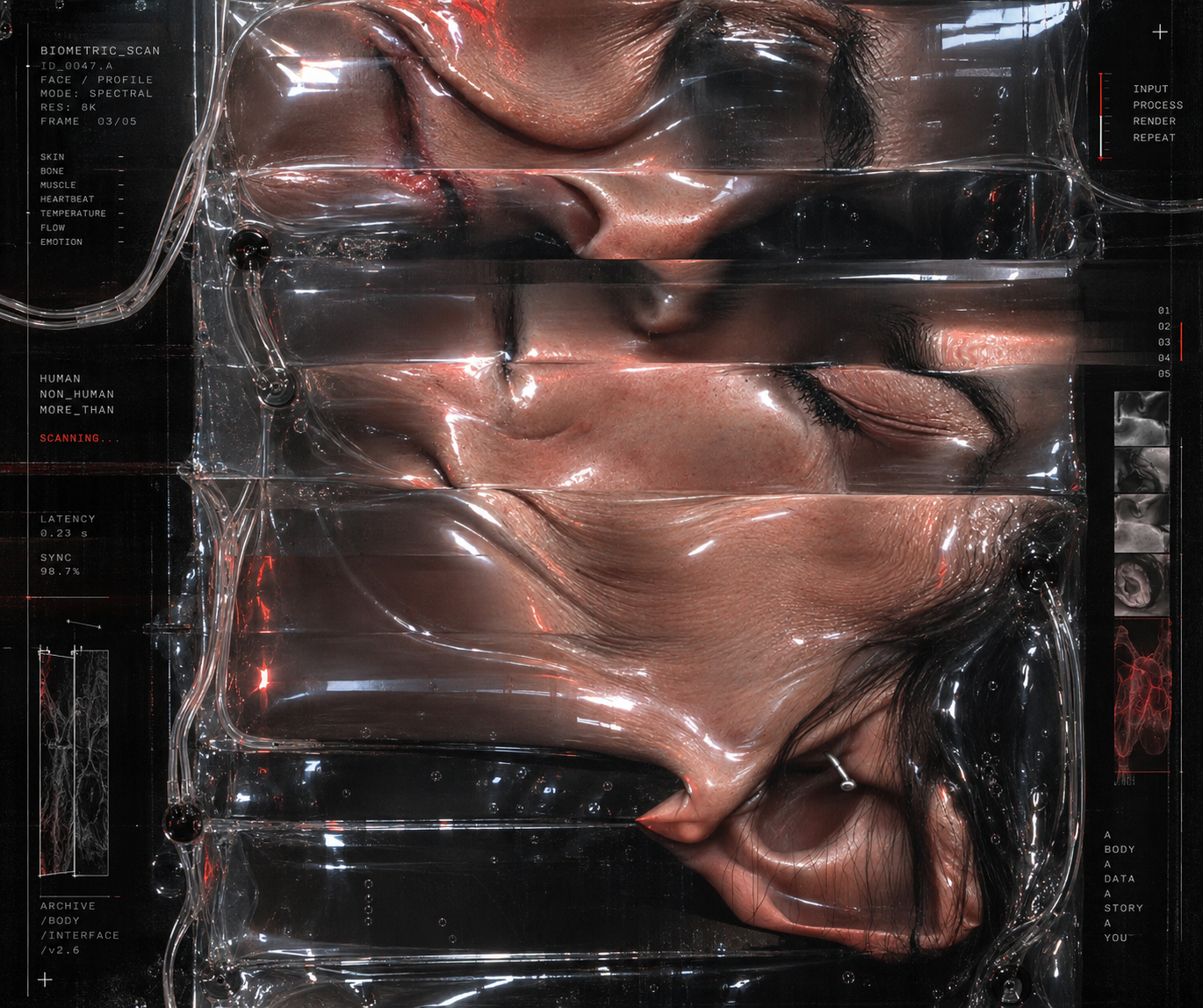
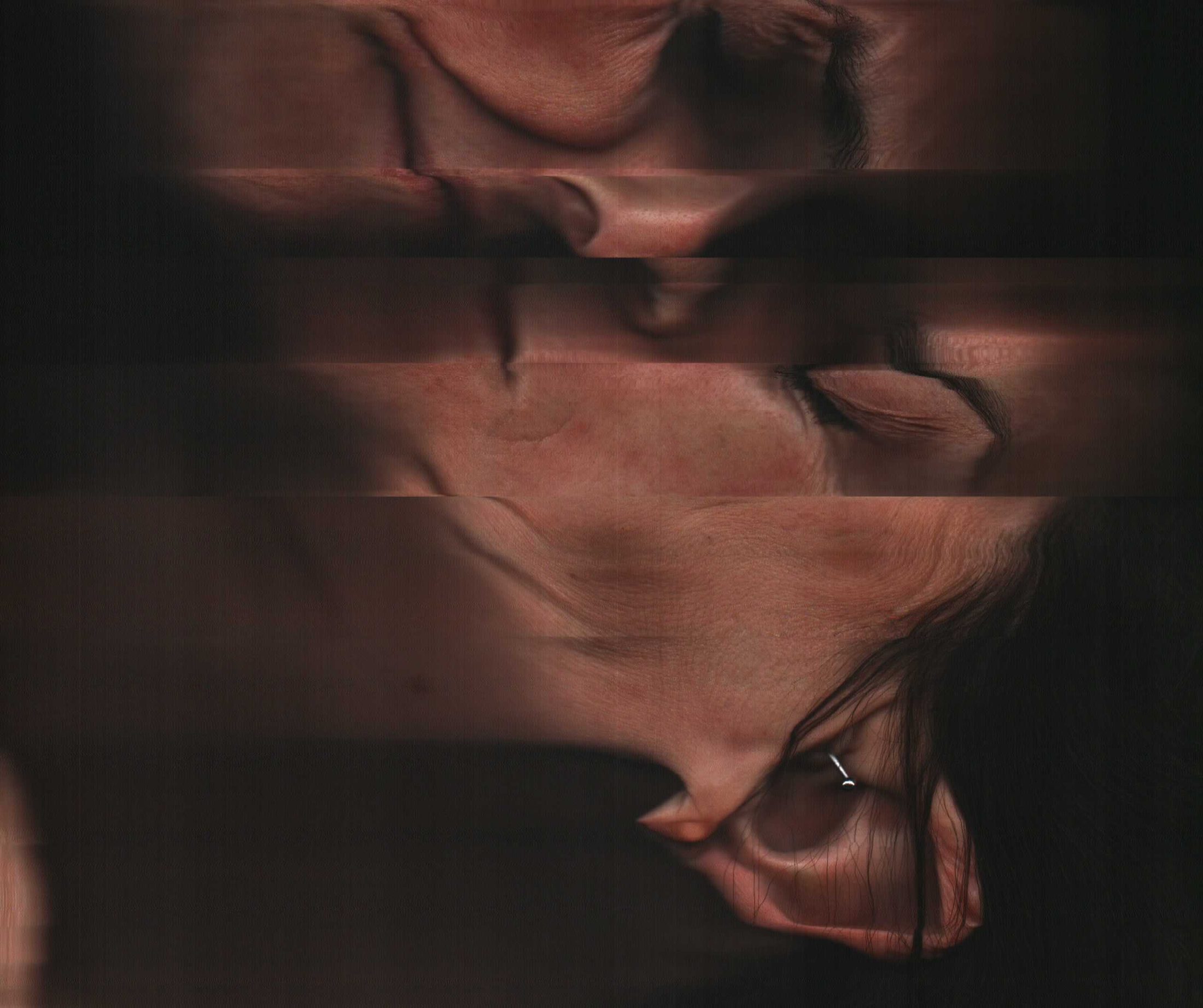
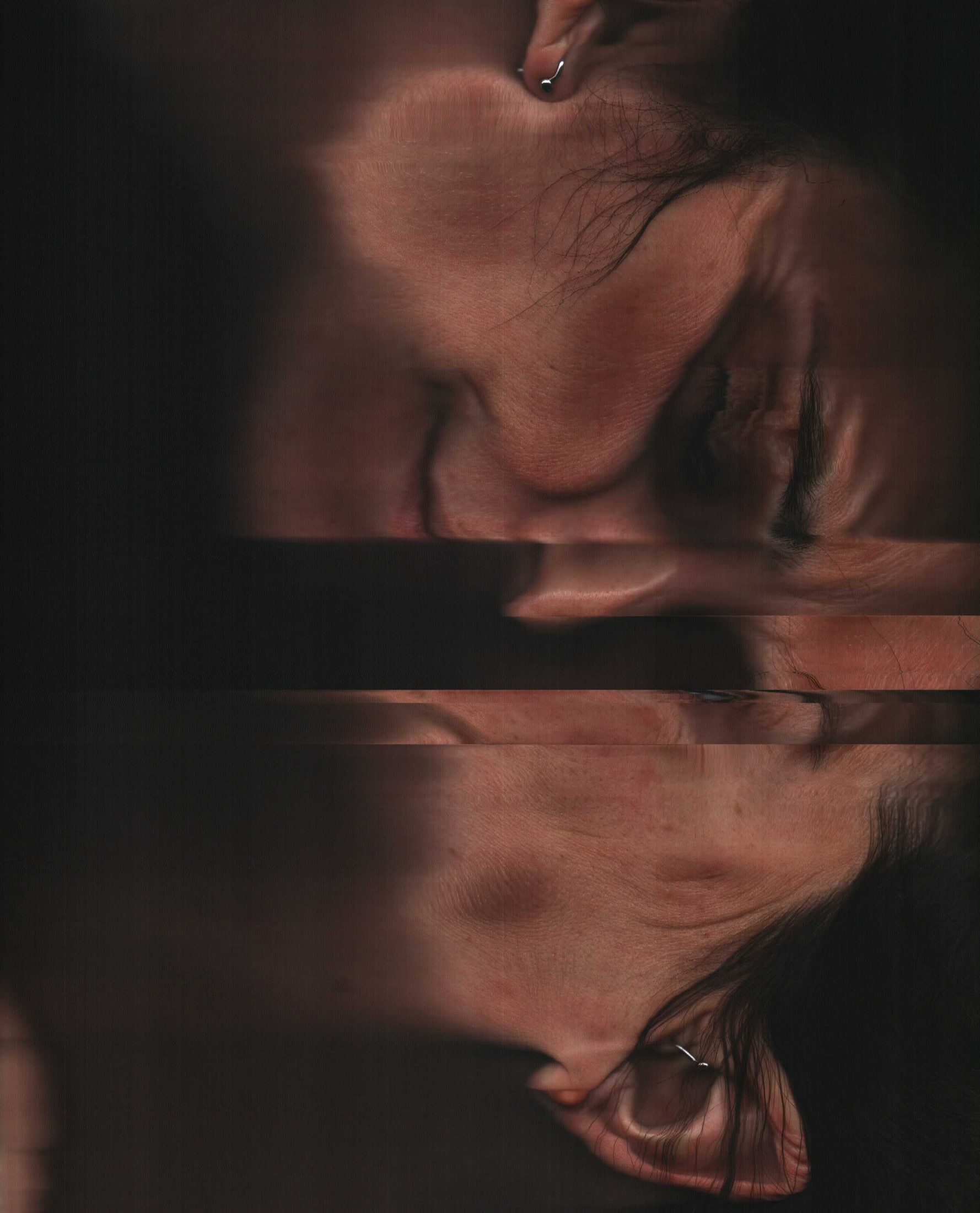
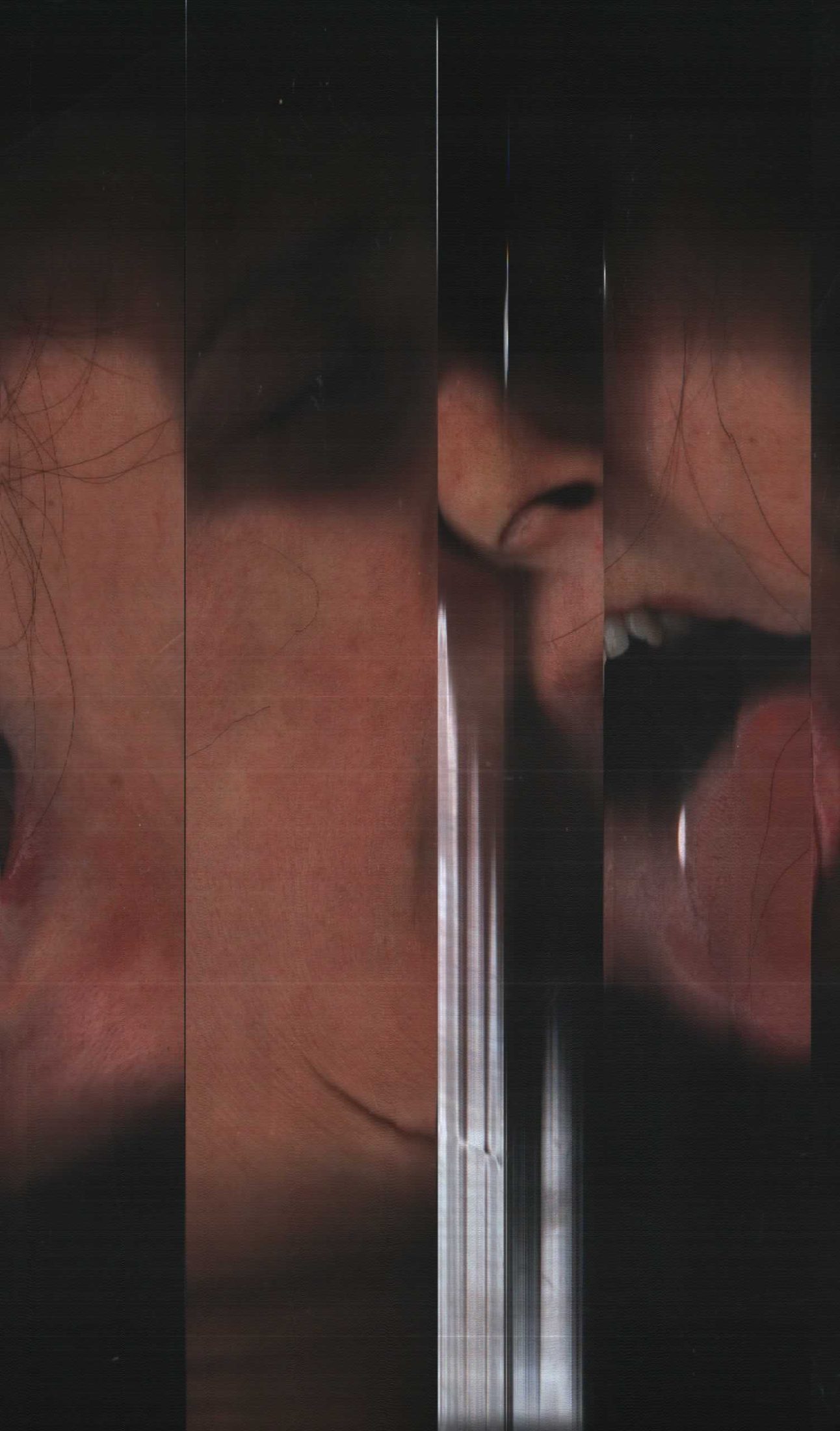
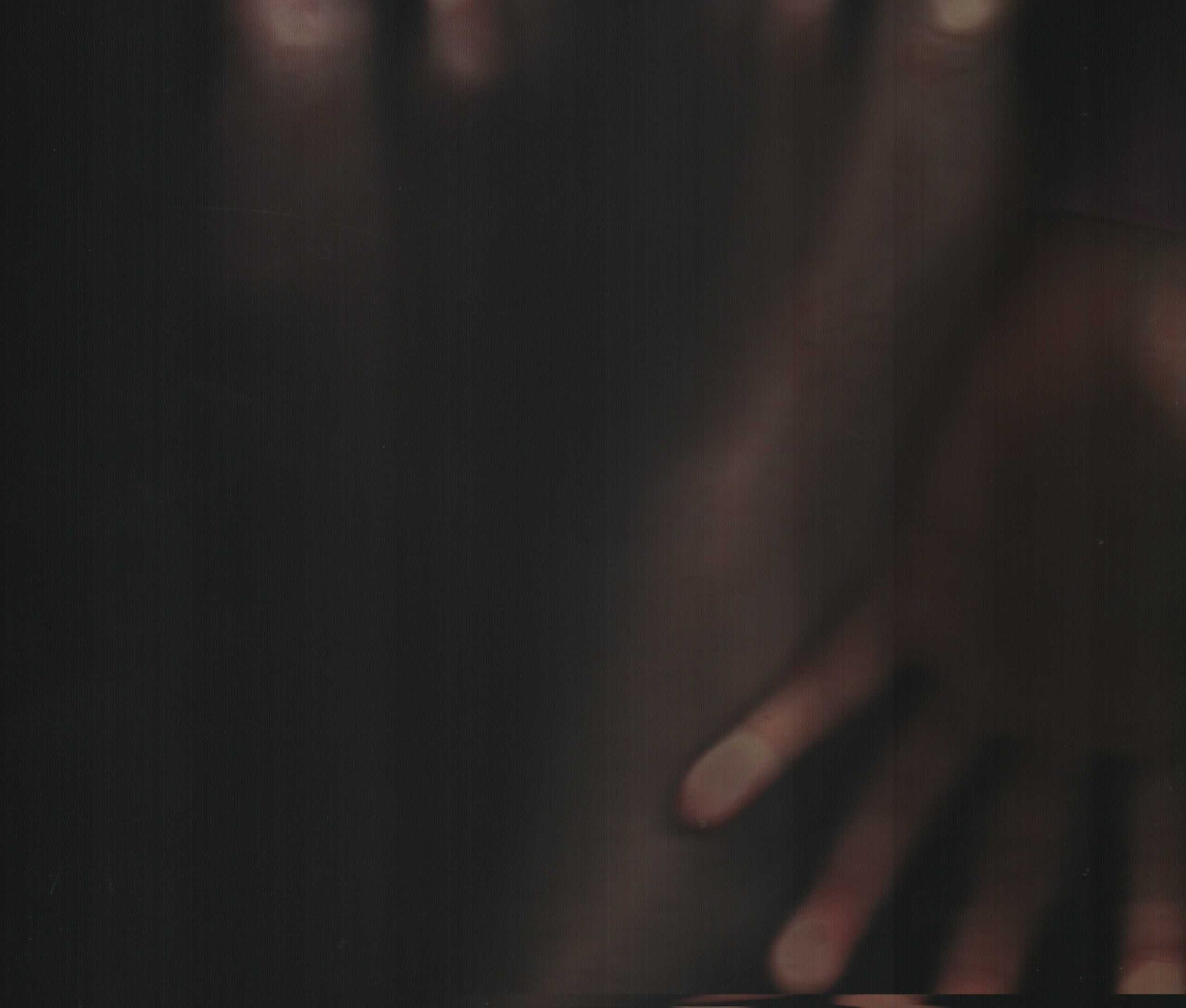
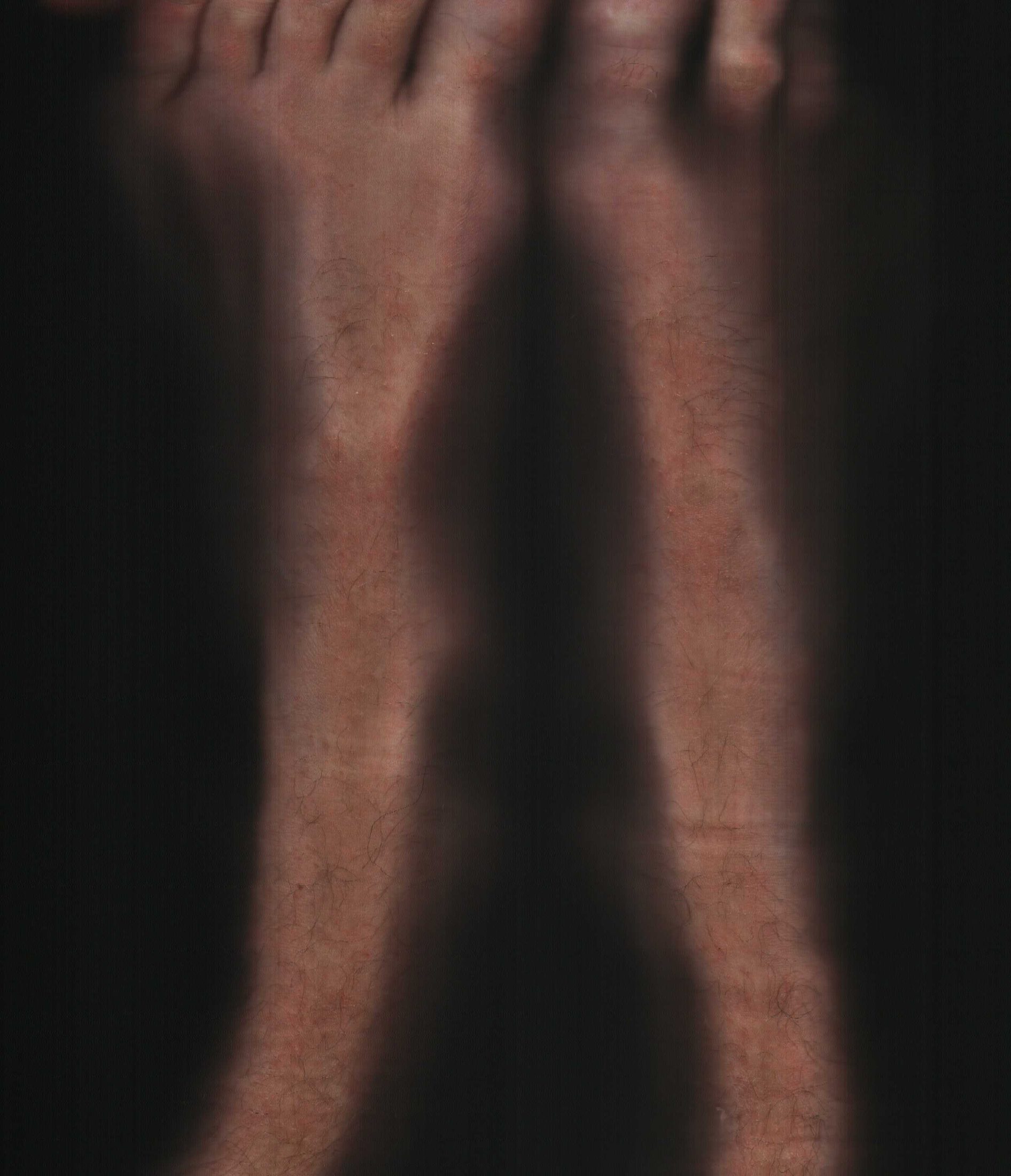
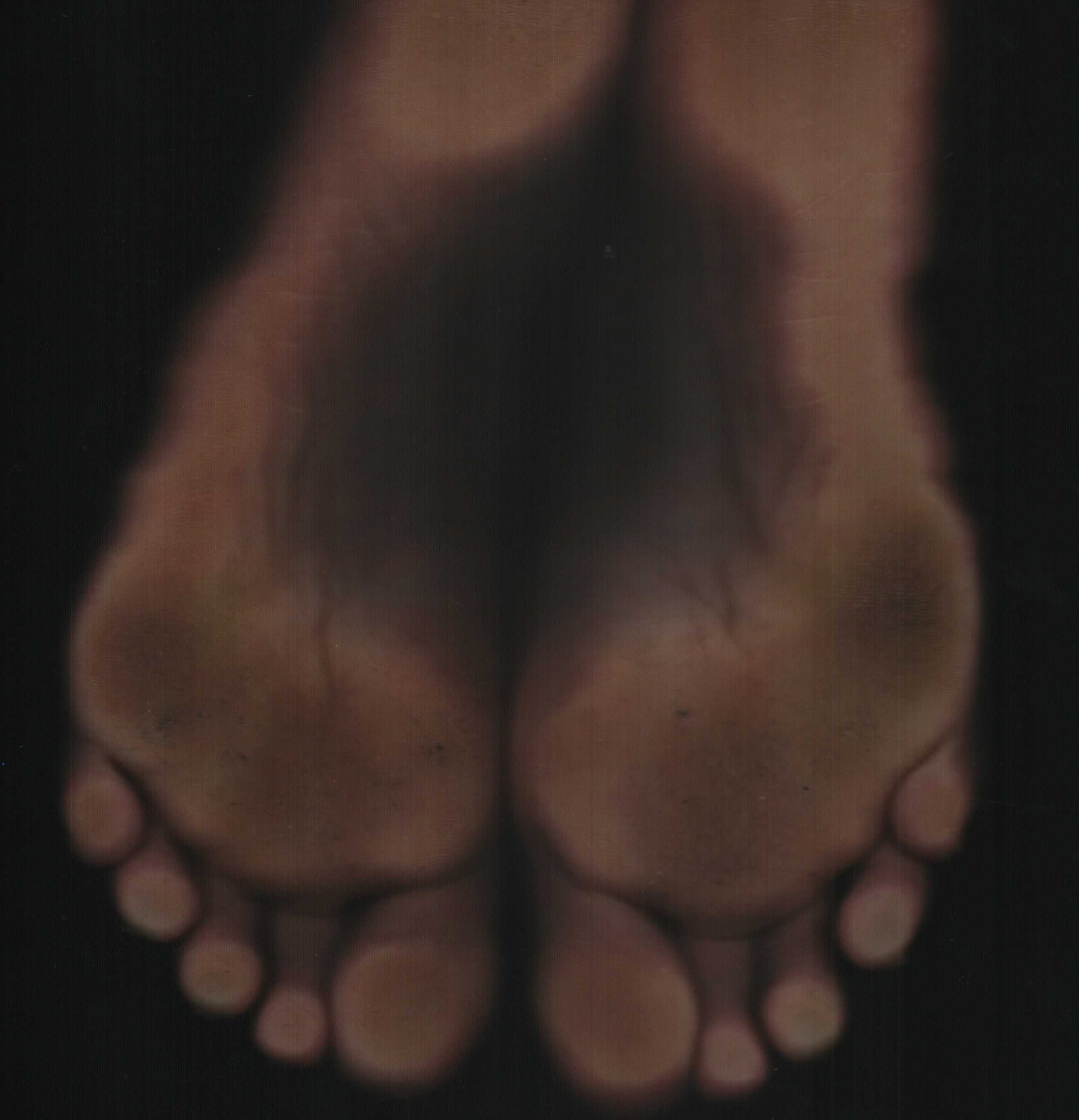
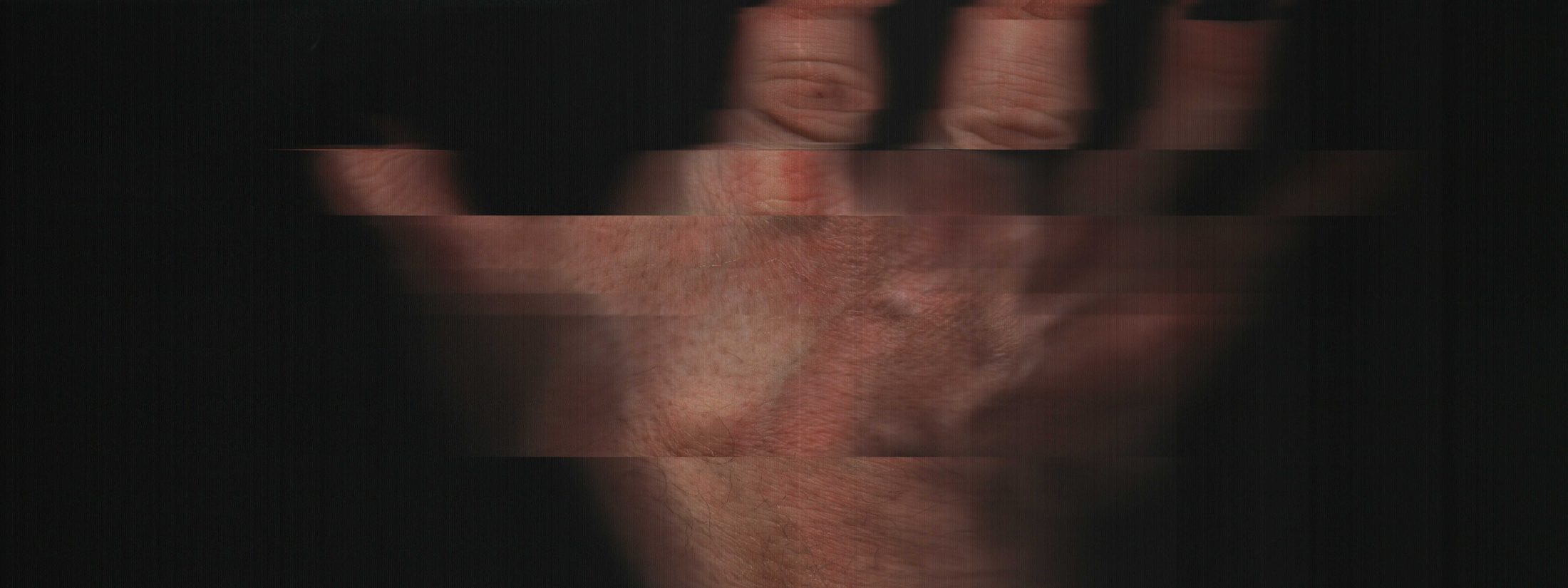
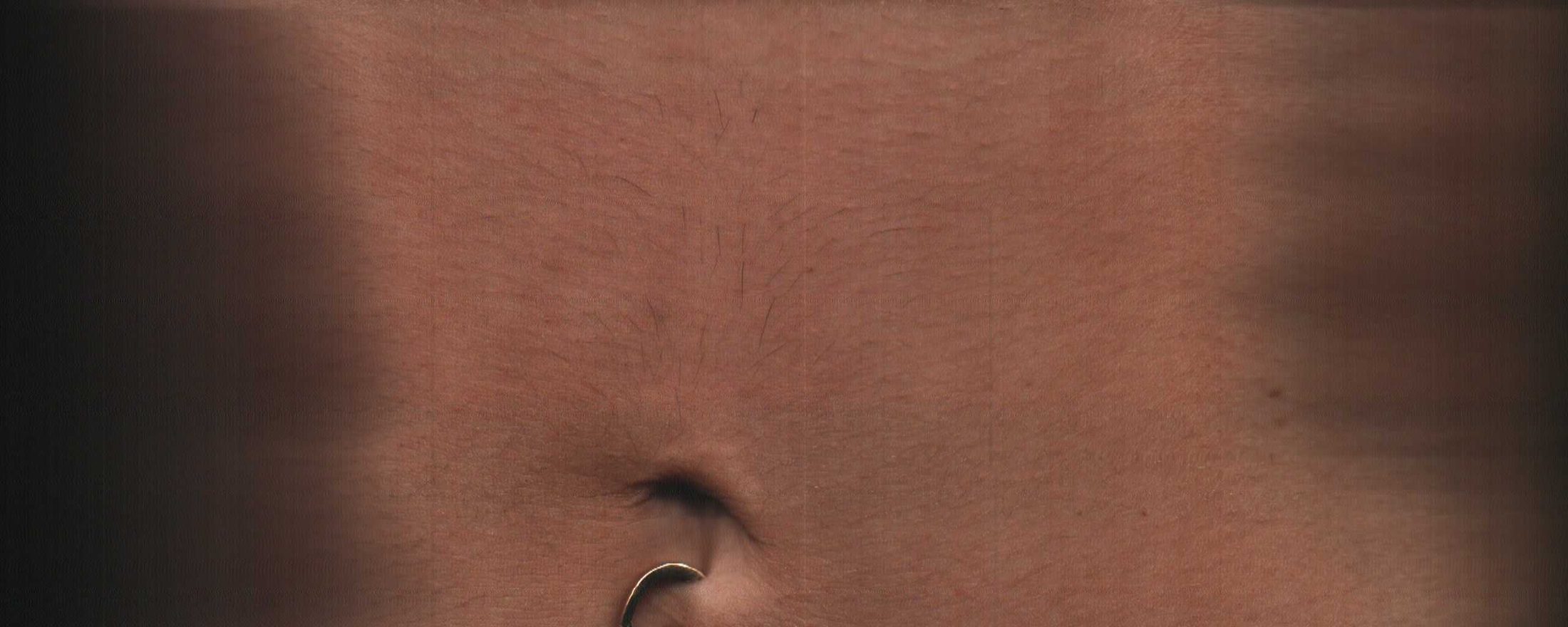
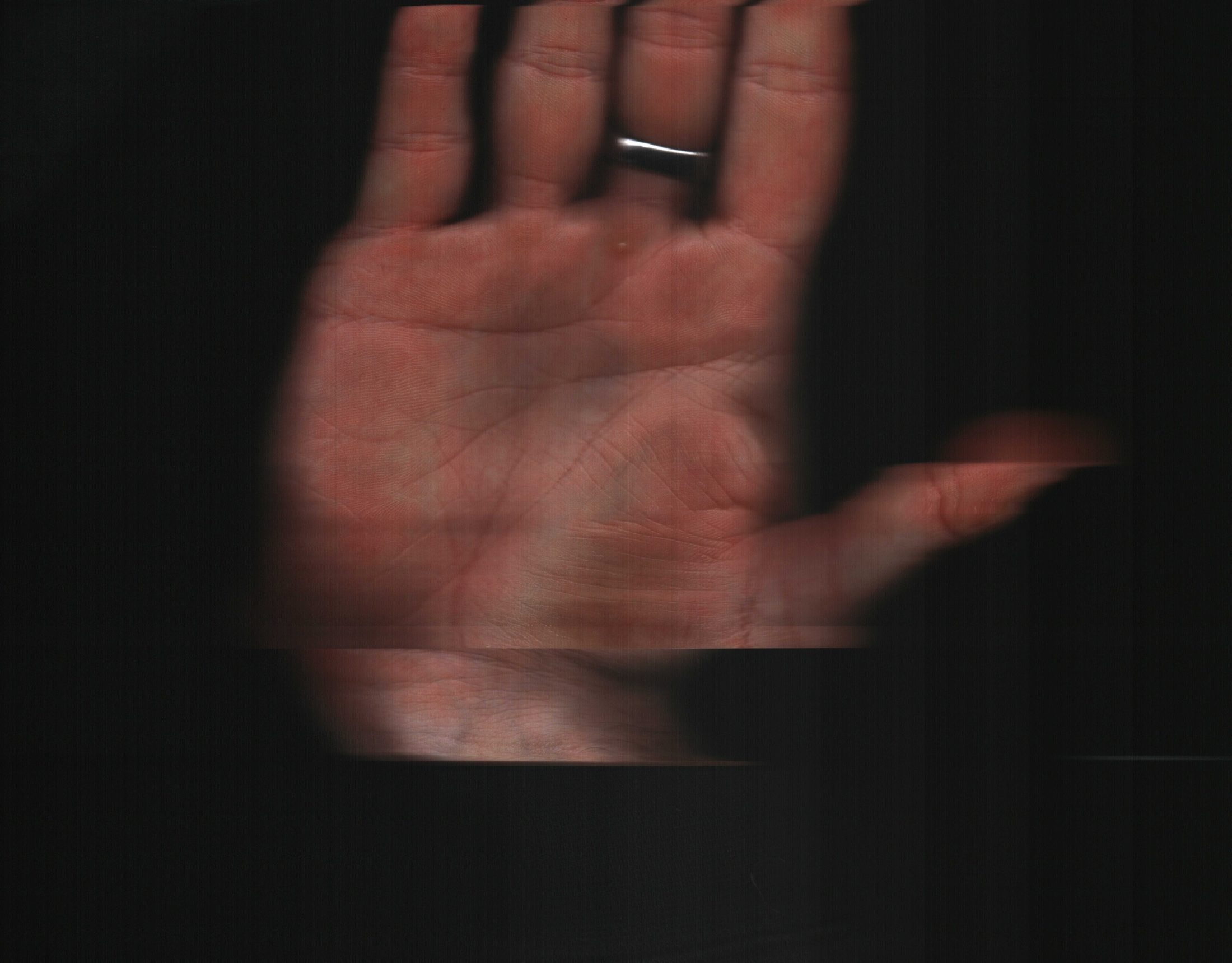
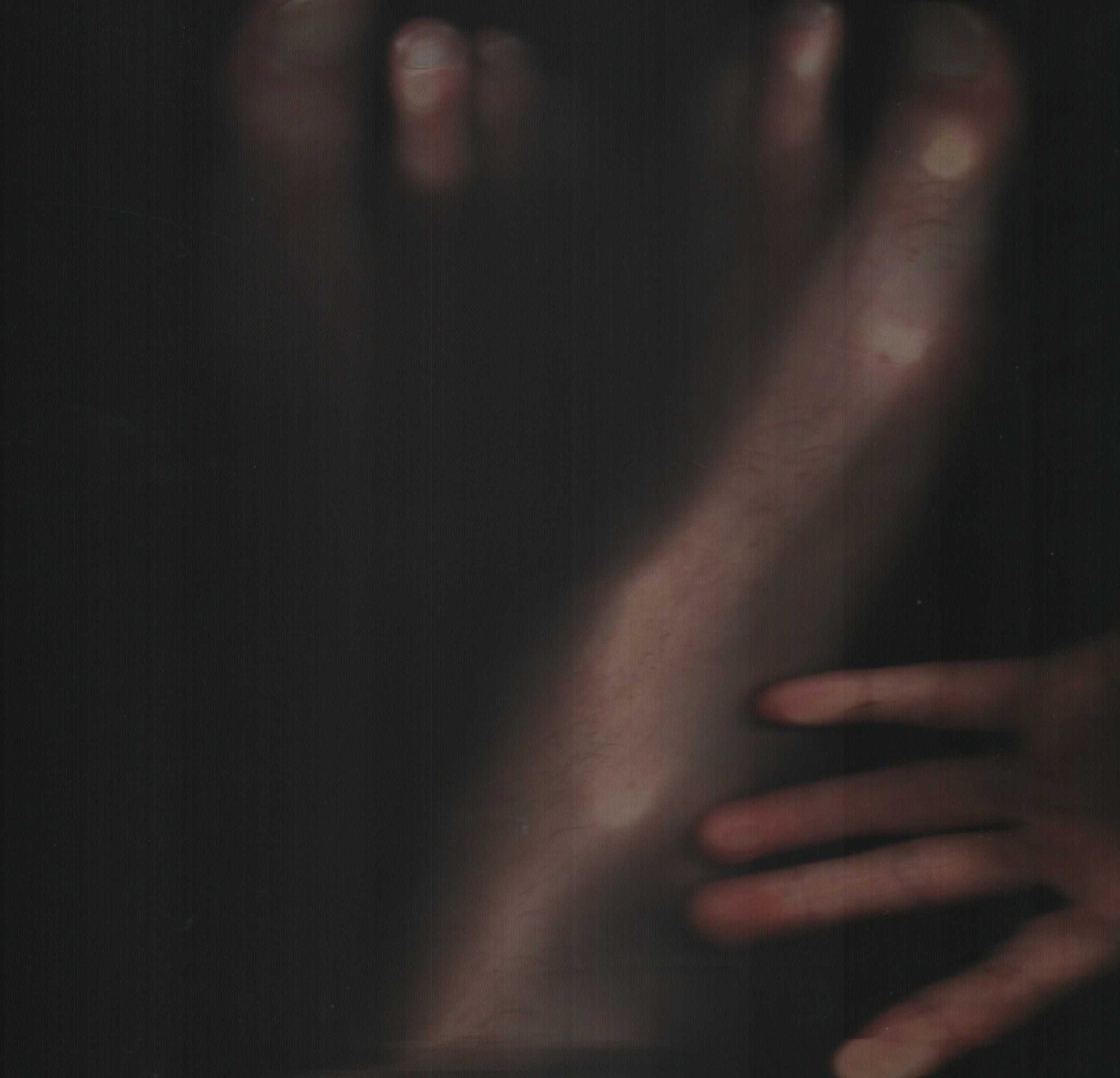
I moved a handheld roller scanner manually across my skin. Pores, folds and hair remain visible alongside the interruptions created during capture. These original scans became the basis for AI-assisted fragmentation and packaging studies, developed with the collaboration of Mads Høbye. The imagined enclosures connect preservation with restriction: a body that appears protected also becomes something that can be contained, classified and displayed.
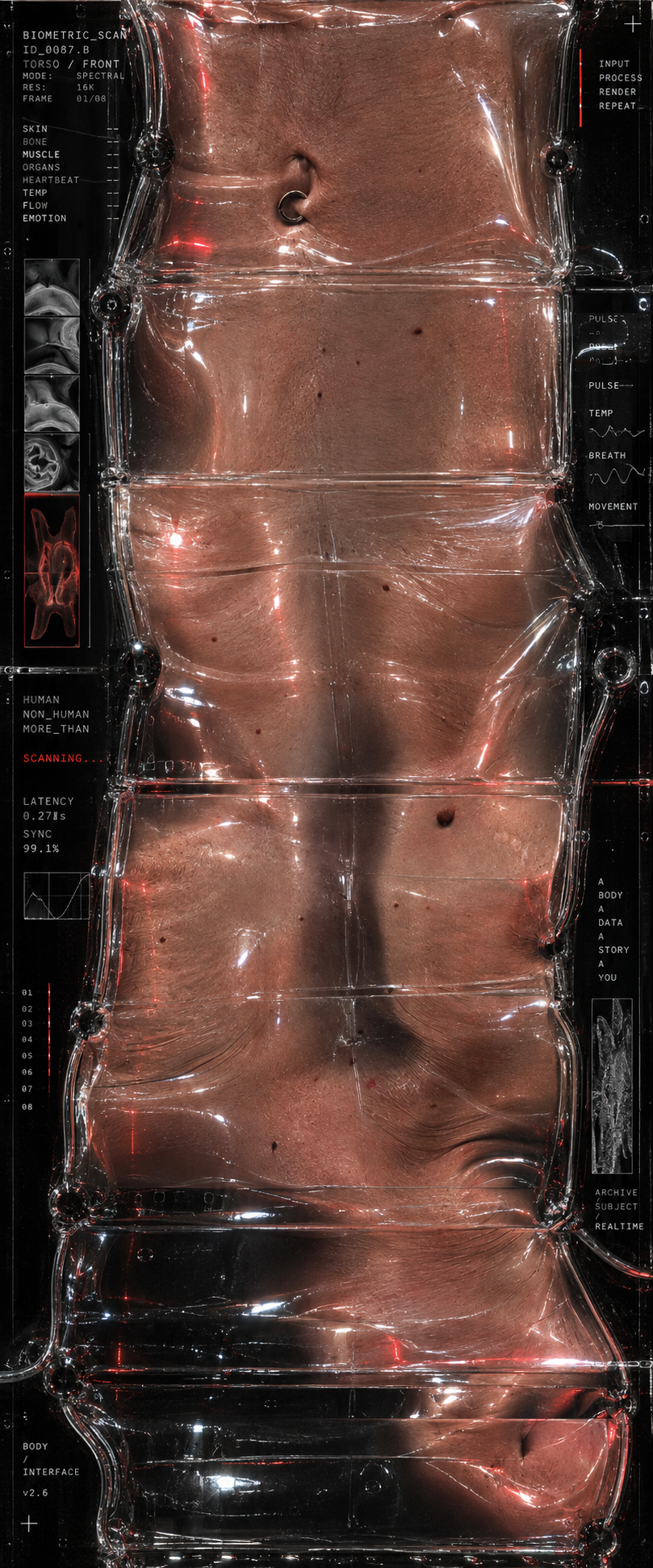
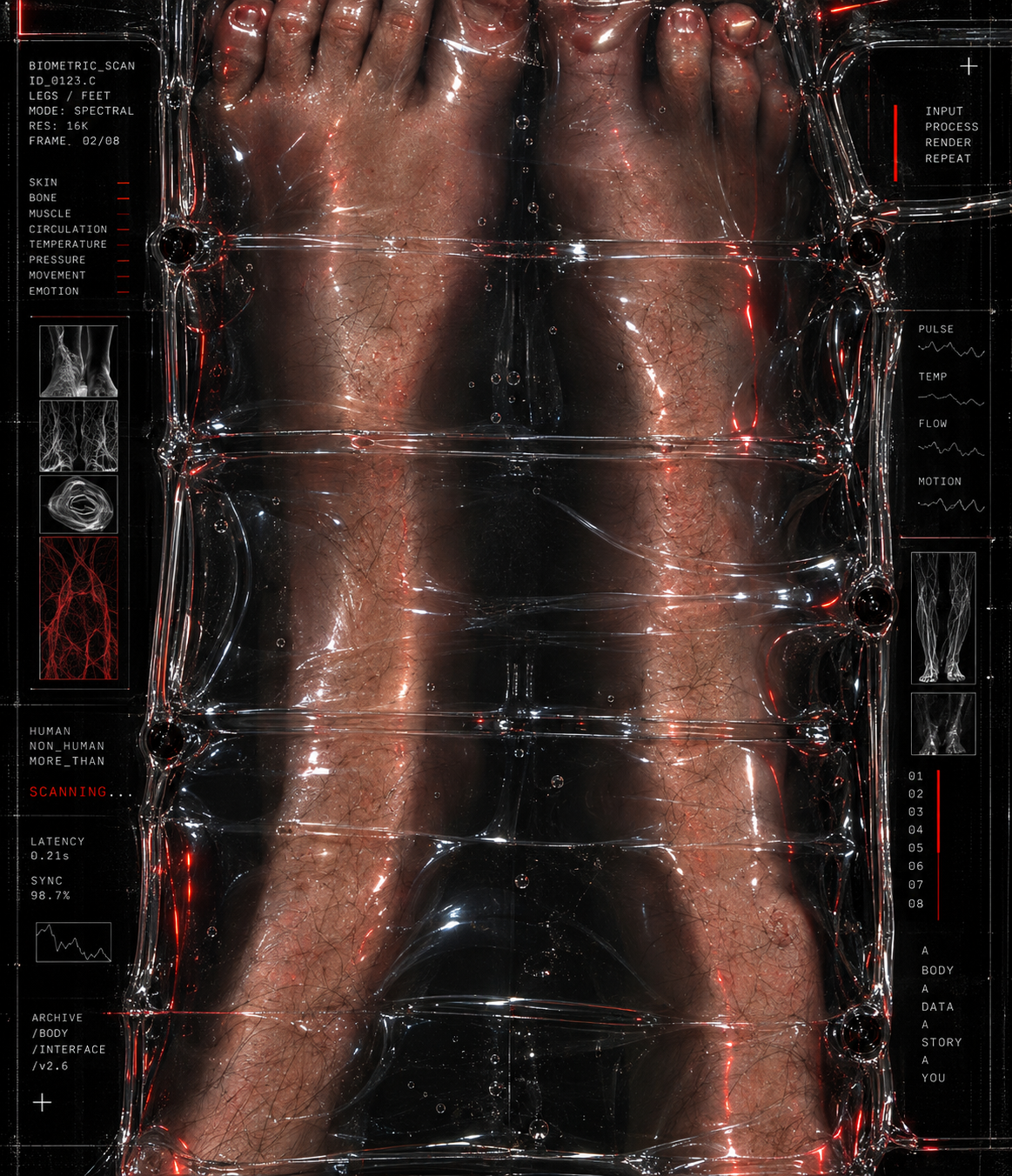
The images were developed for a proposal submitted to Dark Gallery CPH’s The Interactive Street Monster open call, within Golden Days Festival’s Monster theme. The installation visualisations are studies, not photographs of a realised exhibition. My contribution is the artistic research and image-making. Moving between the scans and their imagined containers, the project keeps open the distance between a visible trace and a body that continues to feel, remember and change beyond its digital representation.
Credits
Artist & researcher: Gina Marin
Collaboration: Mads Høbye
Read more · Research, process and context
The body translated into biodata
What happens when the body is translated solely into biodata? Emerging from my degree thesis, this investigation approaches the biometric body as a question about representation: what becomes of a living presence when its visible traits are treated as information that can be captured, stored and reconstructed? The scans are the material starting point for this enquiry. They do not constitute a biometric identification system; through them, I explore the expectation that a technical image might make the body fully legible, and the distance between that image and the person whose skin it records.
The work reflects on an imagined condition of continuous translation, in which the physical body is repeatedly carried into a digital, virtual form. Each capture seems to promise that something of us can be retained: a fold, a contour, a mark, another trace of having been here. I approach this accumulation as a desire for preservation, as though we did not want to lose even a milligram of our being. That phrase gives bodily weight to the wish for a complete digital presence. It also exposes a tension: an archive can accumulate traces without containing the experience of being the body from which they came.
Within this enquiry, the virtual body becomes a way of negotiating absence, continuity and recognition. To scan oneself is to participate in making a version of oneself available to another mode of seeing. Yet the translation always has a frame: it registers a surface at a particular moment, through contact, movement and the limits of an apparatus. Sensation, fatigue, memory and the changing experience of inhabiting that surface cannot simply be read from its pixels. The project asks what happens when the resulting representation begins to stand in for the whole person, and when the wish to preserve ourselves becomes a demand to remain continuously capturable.
Installation proposal · Dark Gallery CPH
These images were developed for an installation proposal submitted to Dark Gallery CPH’s open call, The Interactive Street Monster. The call formed part of Golden Days Festival, whose theme for that edition was Monster. The scans and AI-assisted visualisations served as material for the application and the development of the proposed installation.
Scanning the surface
The source images are real scans of the body, captured with a handheld roller scanner that I moved manually across the skin. This direct capture forms the material basis of the project; the resulting images were subsequently developed through interventions using artificial intelligence.
The scans bring this process into intimate proximity with the skin. Pores, folds, hair, and marks coexist with interruptions and distortions produced during capture. The face and torso become discontinuous surfaces, unsettling the expectation that a technological image can offer a stable or complete account of a person. The distortions also register the encounter between skin, hand and scanner: the attempt to preserve a surface produces an image of interruption. I read these fragments as traces of a translation that cannot close around its subject. They make the distance between bodily experience and its digital representation visible within the scan itself.
Packaging the body
The AI-assisted interventions build on these original body scans to explore fragmentation and imagined packaging.
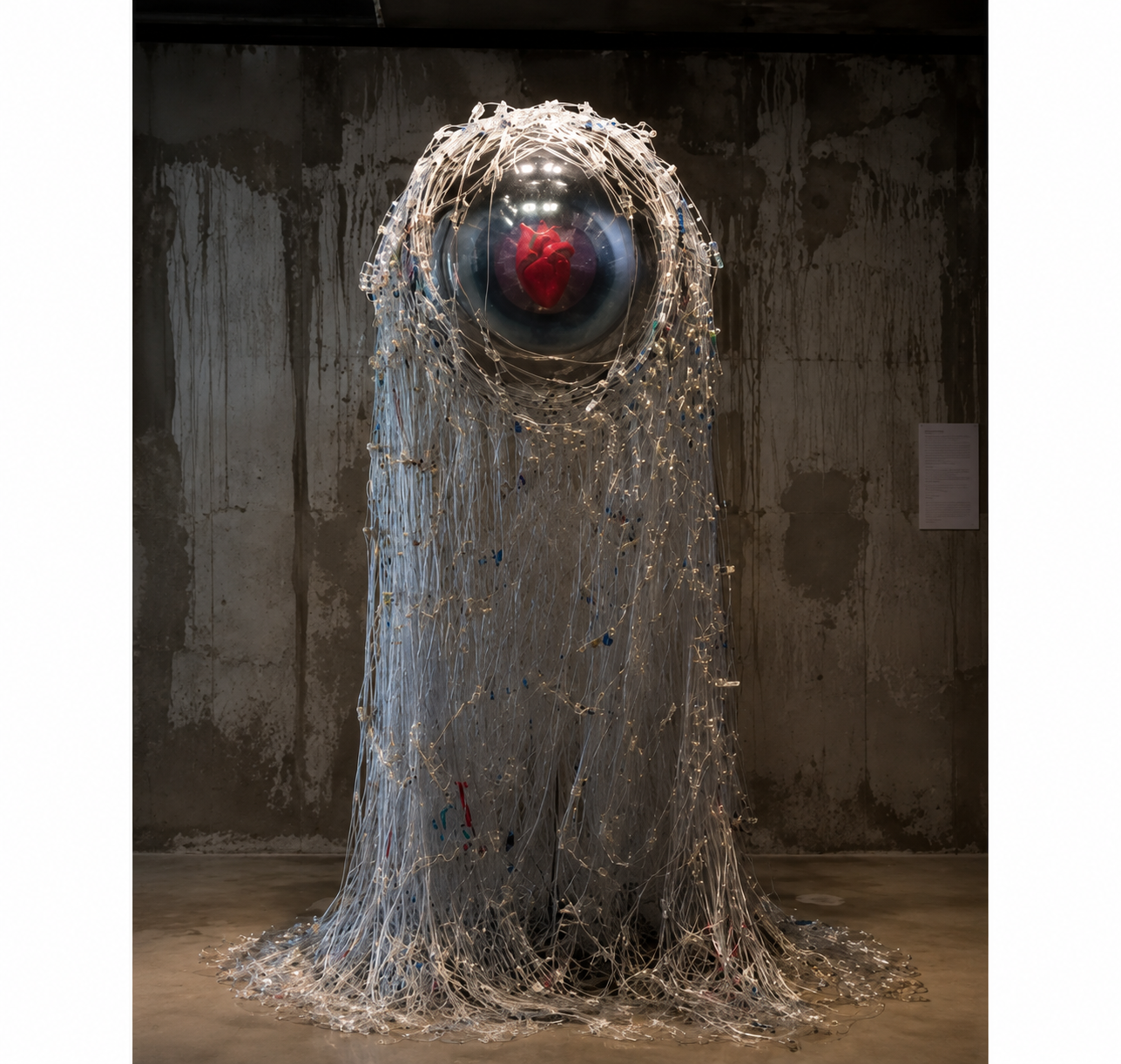
Packaging gives the desire for preservation a tangible form. The enclosure promises to hold the body together, protect it and prevent its loss, while its boundaries also make the fragment appear finite and available for classification. In these studies, the body becomes something that seems capable of being sealed and kept. I use this imagined containment to ask how far we participate in formatting ourselves for capture: how we adjust our own images to remain recognisable within the systems through which we appear, until preservation and restriction become difficult to separate.
The gallery distinguishes original handheld roller scans from AI interventions based on those scans. Installation visualisations are AI-assisted studies, rather than photographs of a realised exhibition.
Beyond the scan
The wish to lose nothing of ourselves remains unresolved. A digital fragment can preserve the appearance of a moment and become a meaningful trace, but what would it mean to ask that trace to carry the entirety of a life? Moving between original scans and imagined enclosures, the work keeps this question open. Its gaps and discontinuities make room for a body that continues to feel, change and enter into relations beyond the image: a presence whose existence does not depend on being completely recorded.
The investigation develops from Body.Interface.