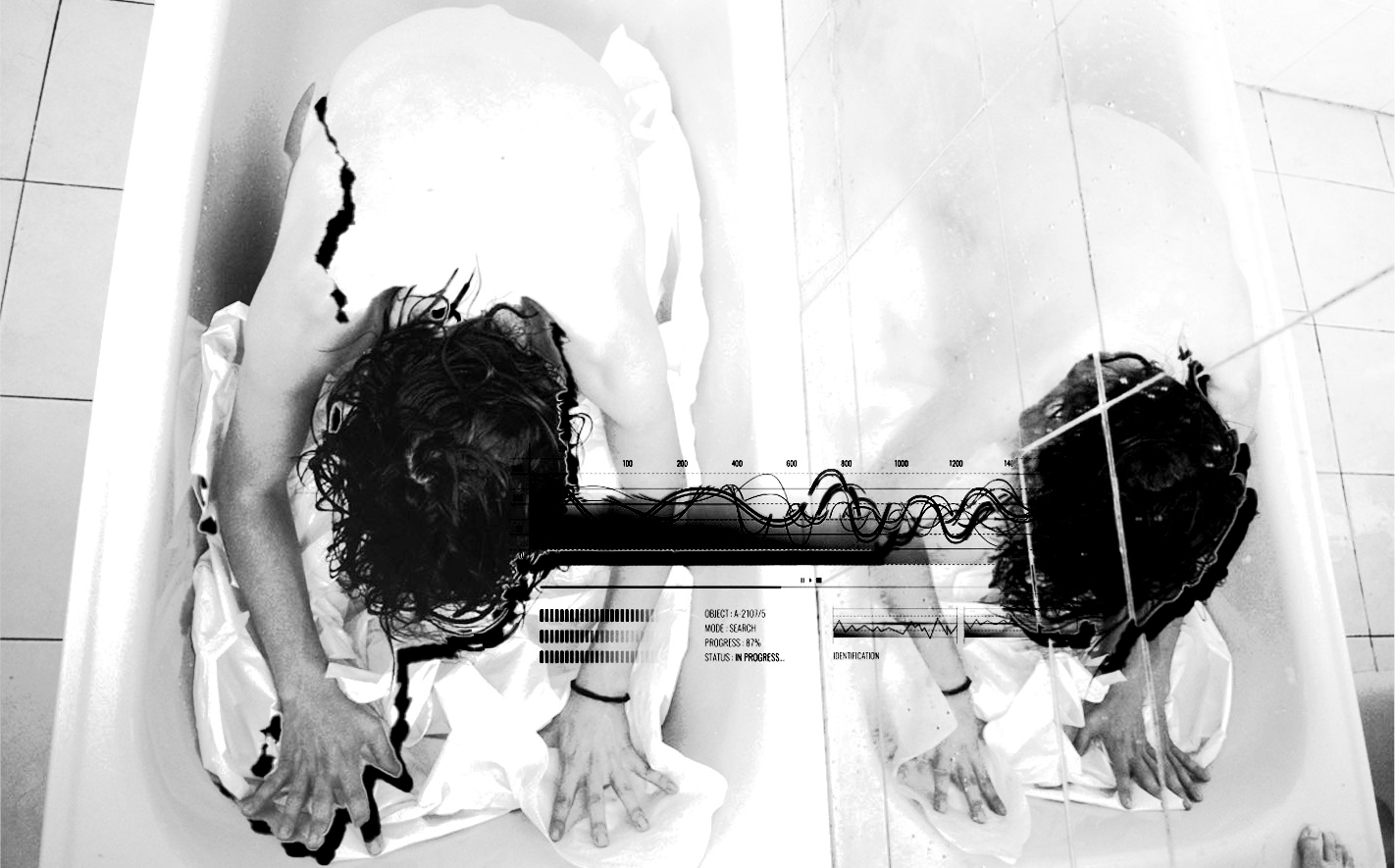
Where does the body end? My thesis investigates how we can remain present in our bodies while everyday life unfolds through screens. I approach the body as an interface where sensation, memories, images and digital systems meet. Through photography, performance, drawing and printmaking, the research considers constant visibility and the possibility of choosing how, when and how much of ourselves to share.
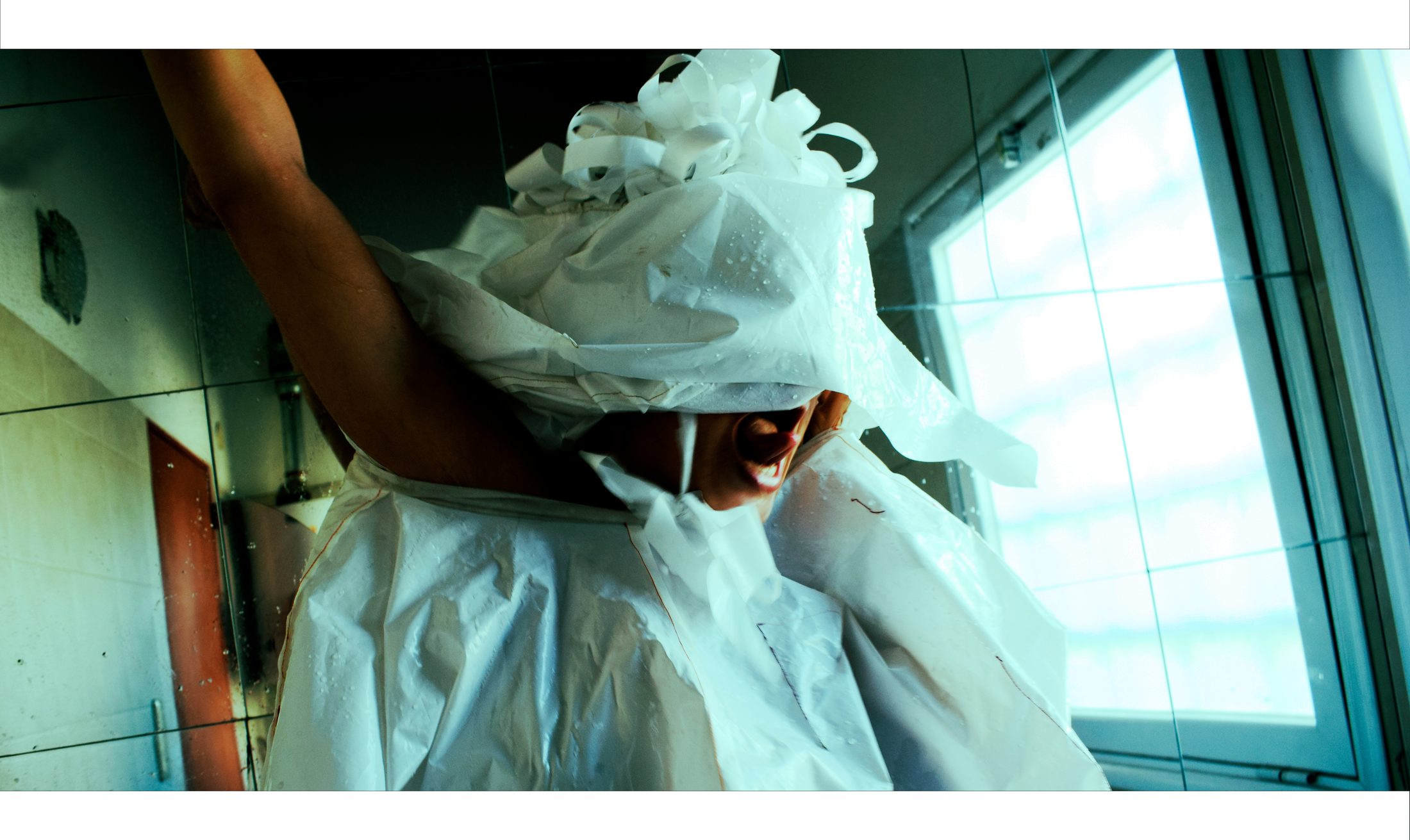
Two photoperformances anchor the enquiry. Clinical Fold works with a sewn plastic costume, butoh movement and enclosure; Self Archive follows my move to Copenhagen through repeated portraits and everyday architecture. My method connects noticing a pressure, returning to bodily attention and giving that experience form. Editing through repetition, brightness, transparency and white lines becomes part of the research. Clinical practice here describes an artistic approach to observation and care.
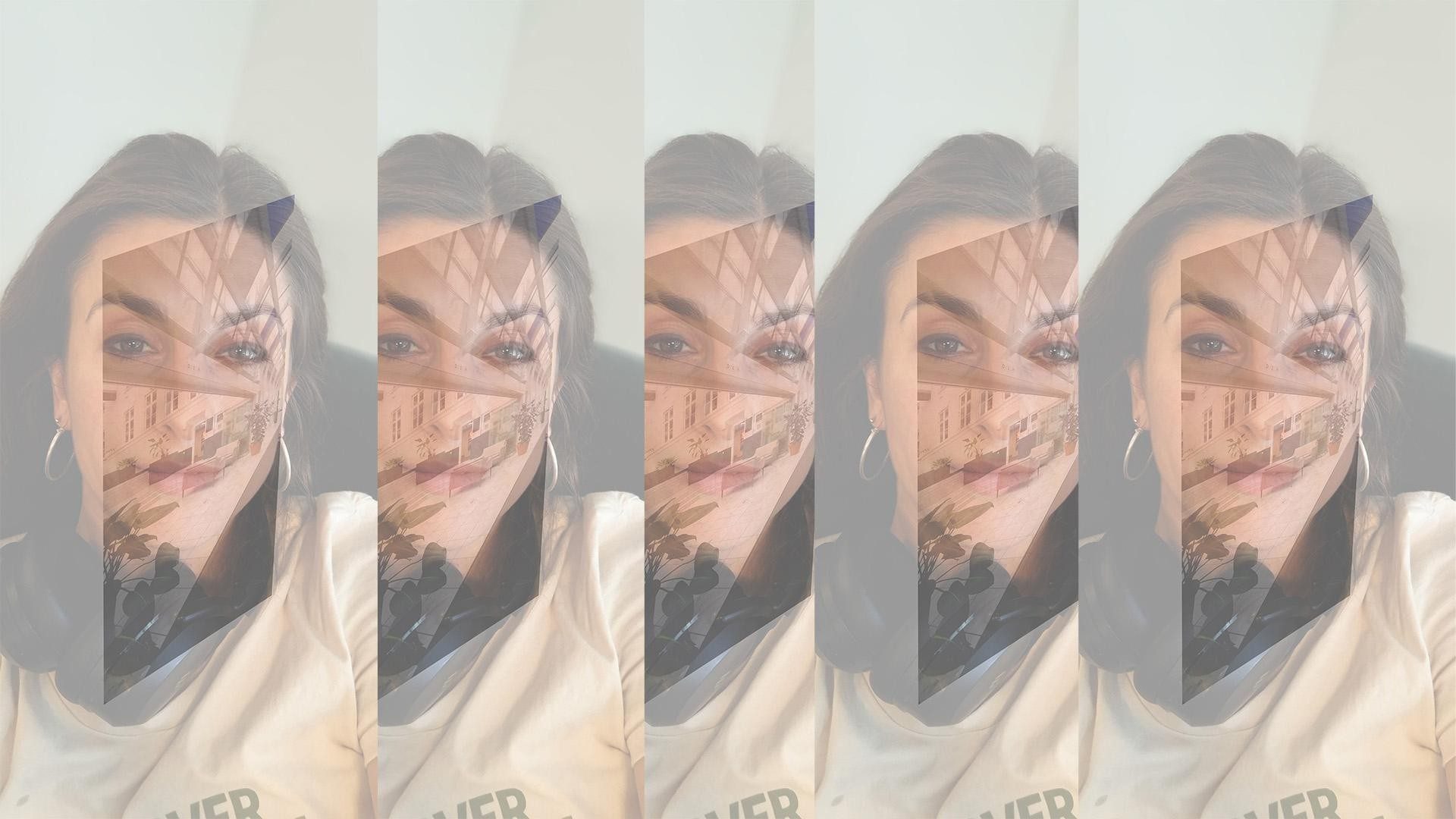
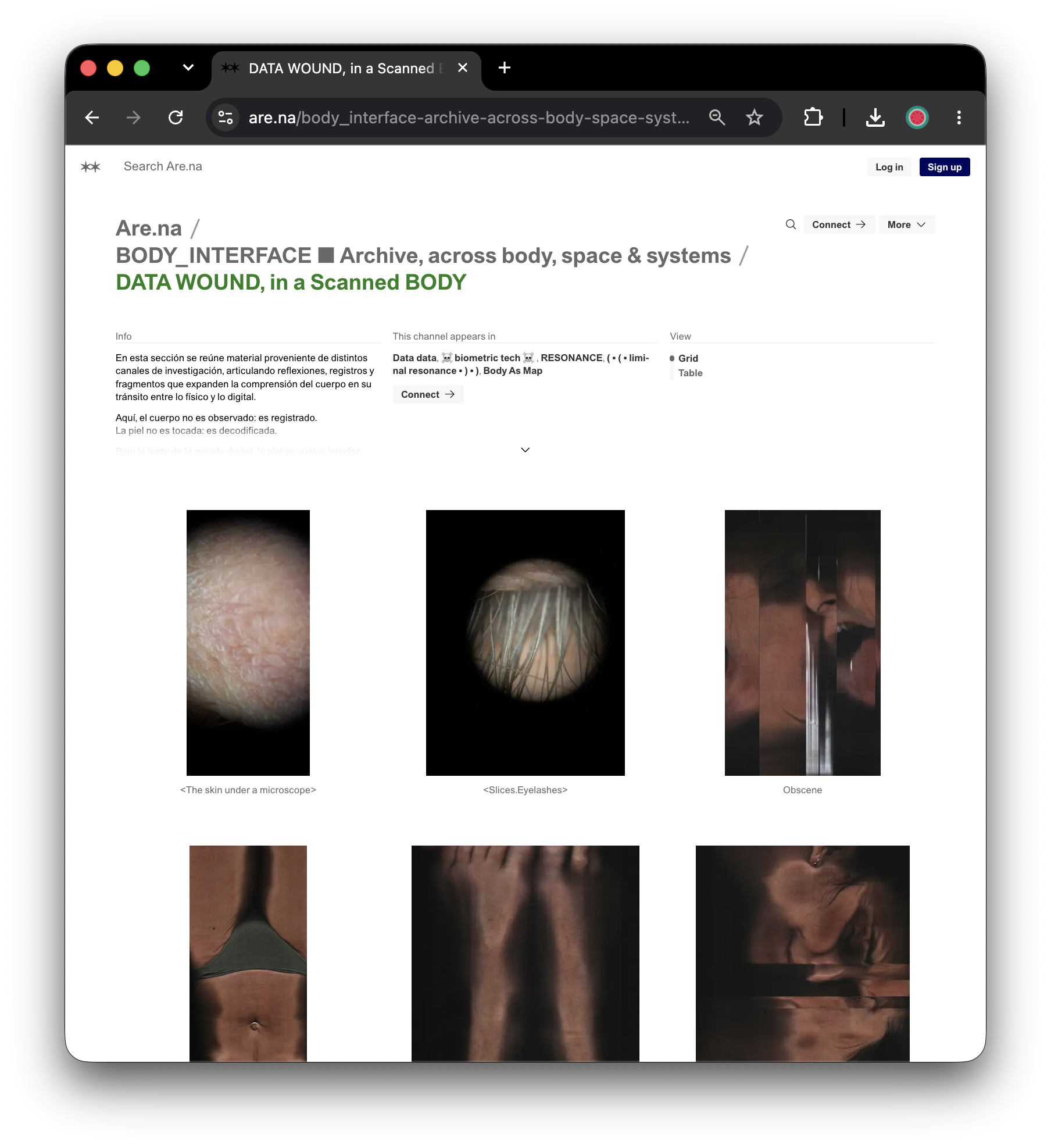
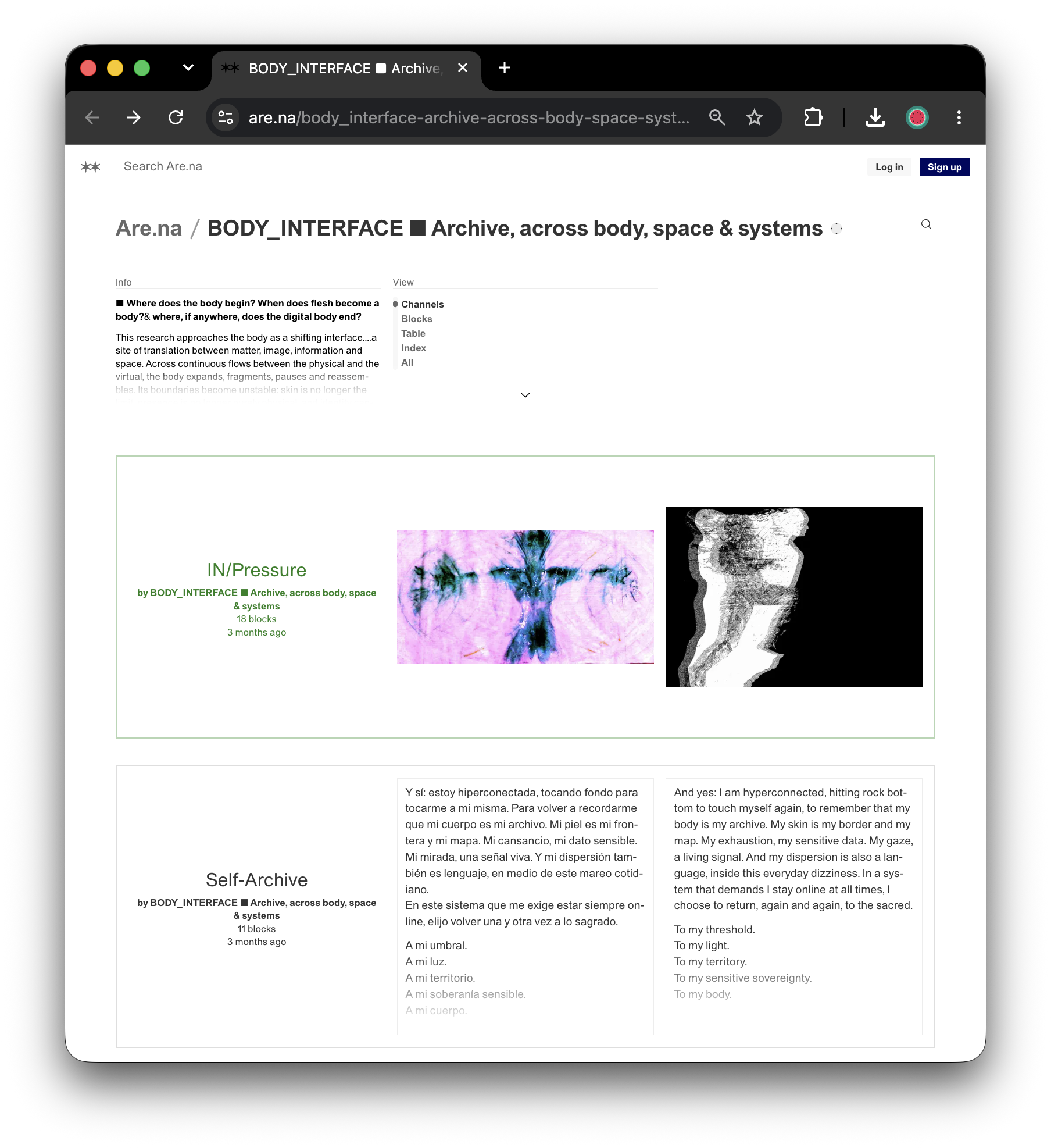
I developed the research, artworks and thesis at the National University of Córdoba, advised by Carolina Romano. Florencia Aravena photographed Clinical Fold; I made Self Archive’s photographs and montages. Earlier drawings, prints and artist’s books trace the enquiry’s development. The Are.na archive gathers material for further connections, while Embodied Portals and Body, Surface, and Packaging extend it into interaction and scanning. The wider interactive platform remains in development; attention, care and bodily agency continue to guide the work.
Credits
Research, artworks and thesis: Gina Marin
Thesis adviser: Carolina Romano
Institution: National University of Córdoba
Clinical Fold photography, including the photograph used in the header montage: Florencia Aravena
Self Archive photography and montage: Gina Marin
Read more · Research, process and context
The thesis
IN/Pressions of a Body. Interface: Poetics, Clinical Practice, and Its Symbolic Activation in the Age of Liquid Architecture.
My research asks how we can remain present in our bodies while so much of everyday life takes place through screens. I approach the body as an interface: a place where sensation, images, memories and digital systems meet. “Liquid architecture” describes the changing digital spaces we inhabit, and the ways our presence moves between physical places and online environments.
Through photography, performance, drawing and printmaking, I explore the pressures of constant visibility and the possibility of choosing how, when and how much of ourselves we share. The work treats bodily attention, movement and image-making as ways to understand these pressures. Here, clinical practice is an artistic approach to observation and care, rather than medical diagnosis or treatment.
How can art bring us back to the body?
Two photoperformances form the centre of the thesis. Clinical Fold uses a sewn plastic costume, butoh movement and the confined space of a bathroom to explore restriction and bodily presence. Self Archive follows my move to Copenhagen through repeated self-portraits, layered with the architecture of everyday journeys.
One works with enclosure; the other with movement through a new city. Both ask how an image can carry lived experience rather than simply display a body. Earlier drawings, prints and artist’s books trace how this enquiry developed.
A practice of attention
My method moves between three connected actions: noticing an impression or a pressure, returning to bodily awareness through breath and movement, and giving that experience a form through performance, images or writing. These actions feed back into one another. Editing is part of the research: repetition, white lines, brightness and transparency change how a body appears and how an image is read.
A living archive
On Are.na, I gather photographs, drawings, texts and other references, placing them in conversation and tracing connections across the research. The archive can be rearranged and linked to other people’s collections, creating a space for slower looking and shared thinking. Collected works retain their respective authorship.
I am developing this research towards an interactive platform, exploring how an archive can become a space for navigation and participation. The Are.na collection is an existing part of that process; the wider platform remains in development. Related experiments with live computer vision and embodied interaction are documented in Embodied Portals. The investigation into biometrics, scanning and bodily representation continues in Body, Surface, and Packaging.
What carries into my practice
The research brings attention, bodily agency and care into the way I make and share work. It provides a foundation for experiments with performance, materials and participatory environments, and for thinking about technology through the experience of the people using it.
Projects in the research
The photoperformances and related projects each have their own description and image documentation below.
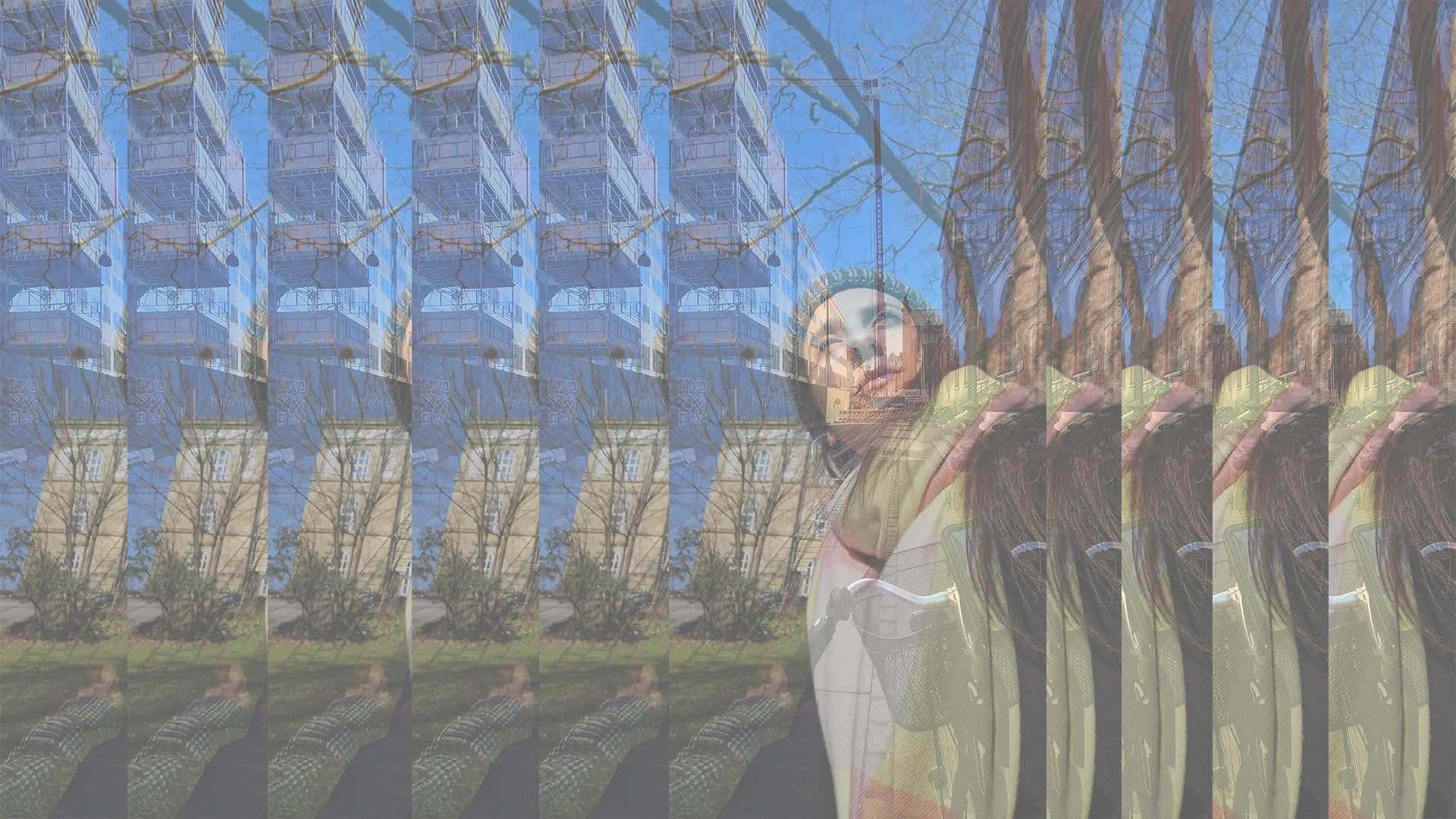
Migration & everyday life · 2025
Self Archive
Butoh photoperformance · 2021
Clinical Fold
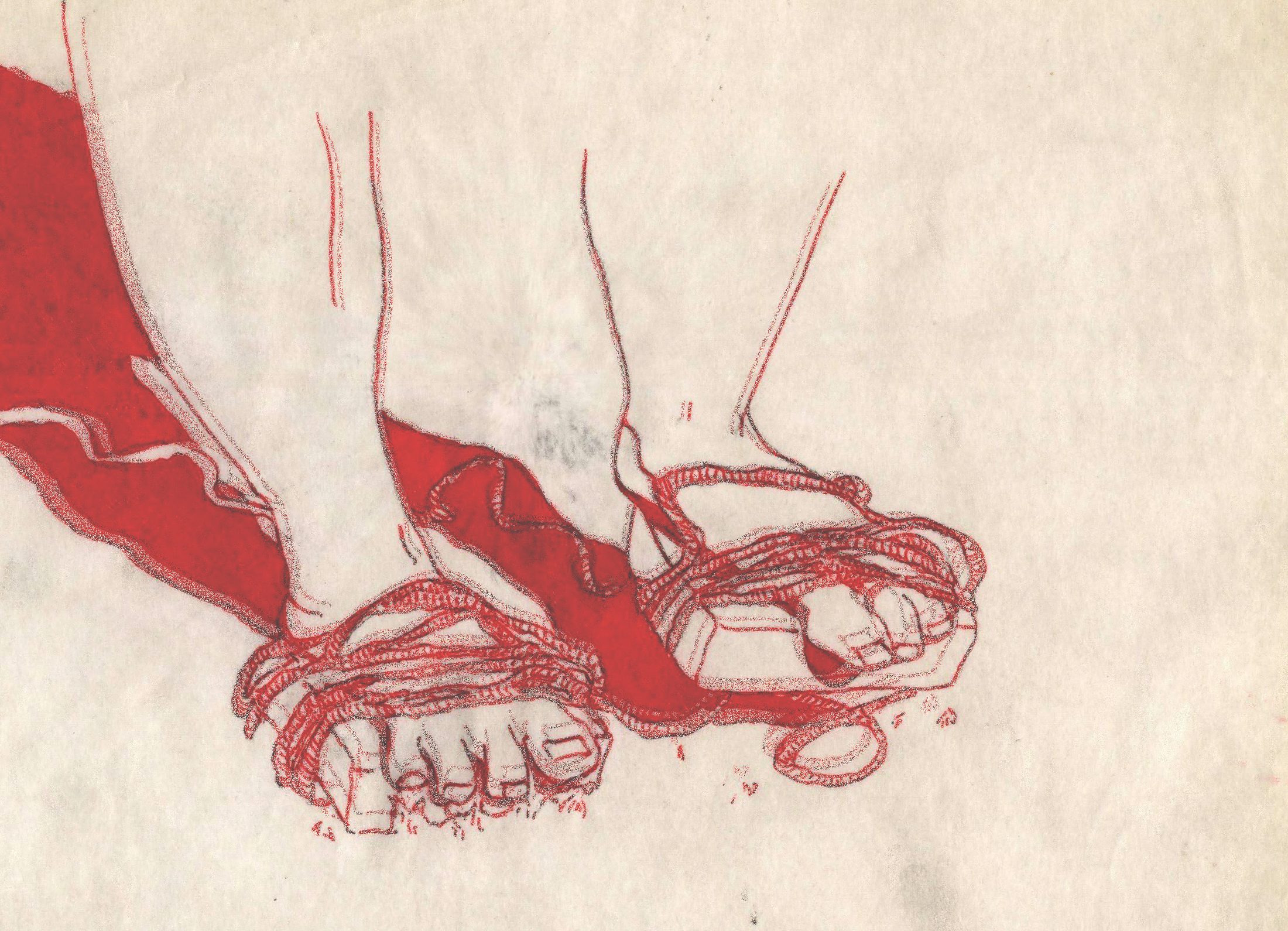
Movement & drawing · 2019
Footprints
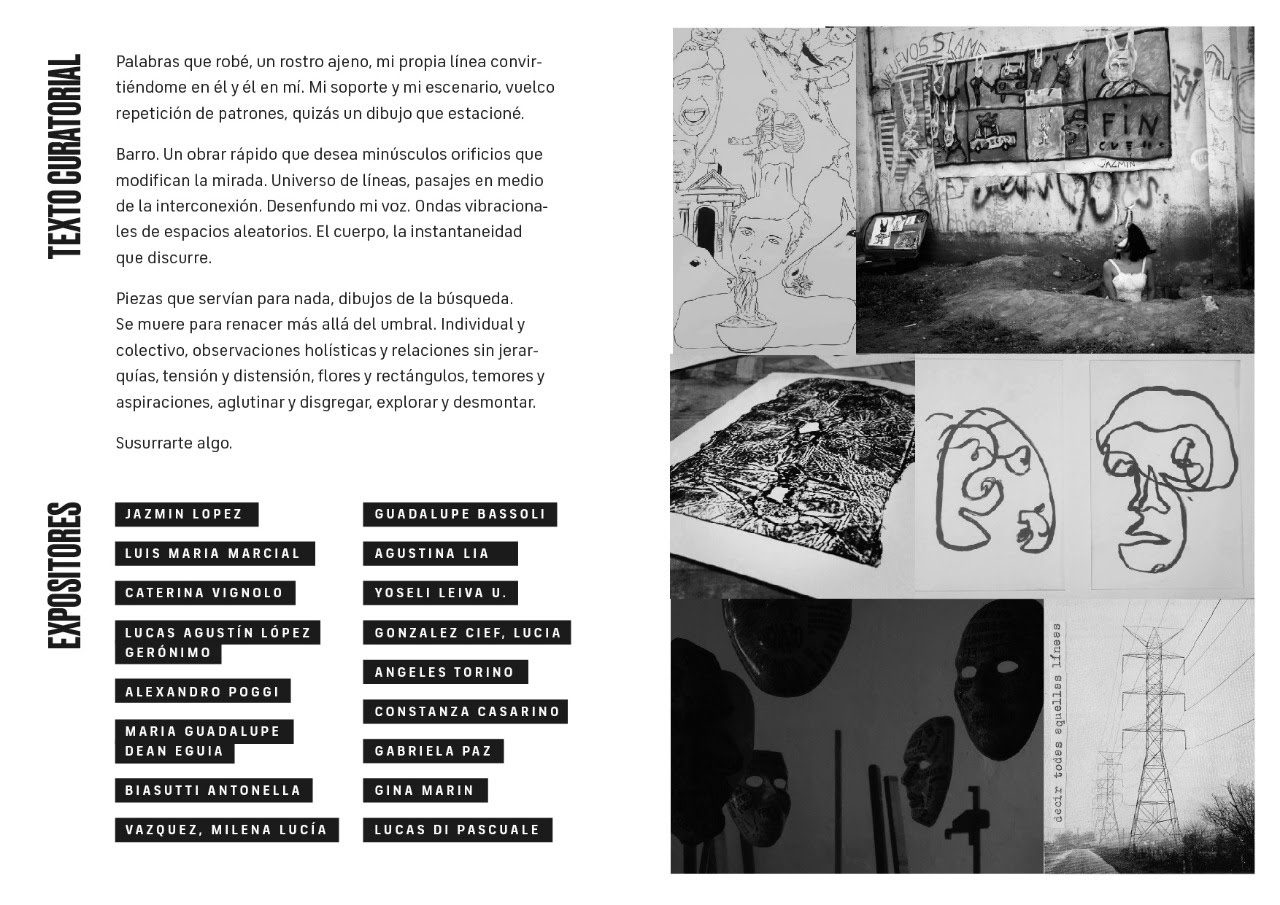
Exhibition · Avellaneda · 2019
Oscillating Dialectics
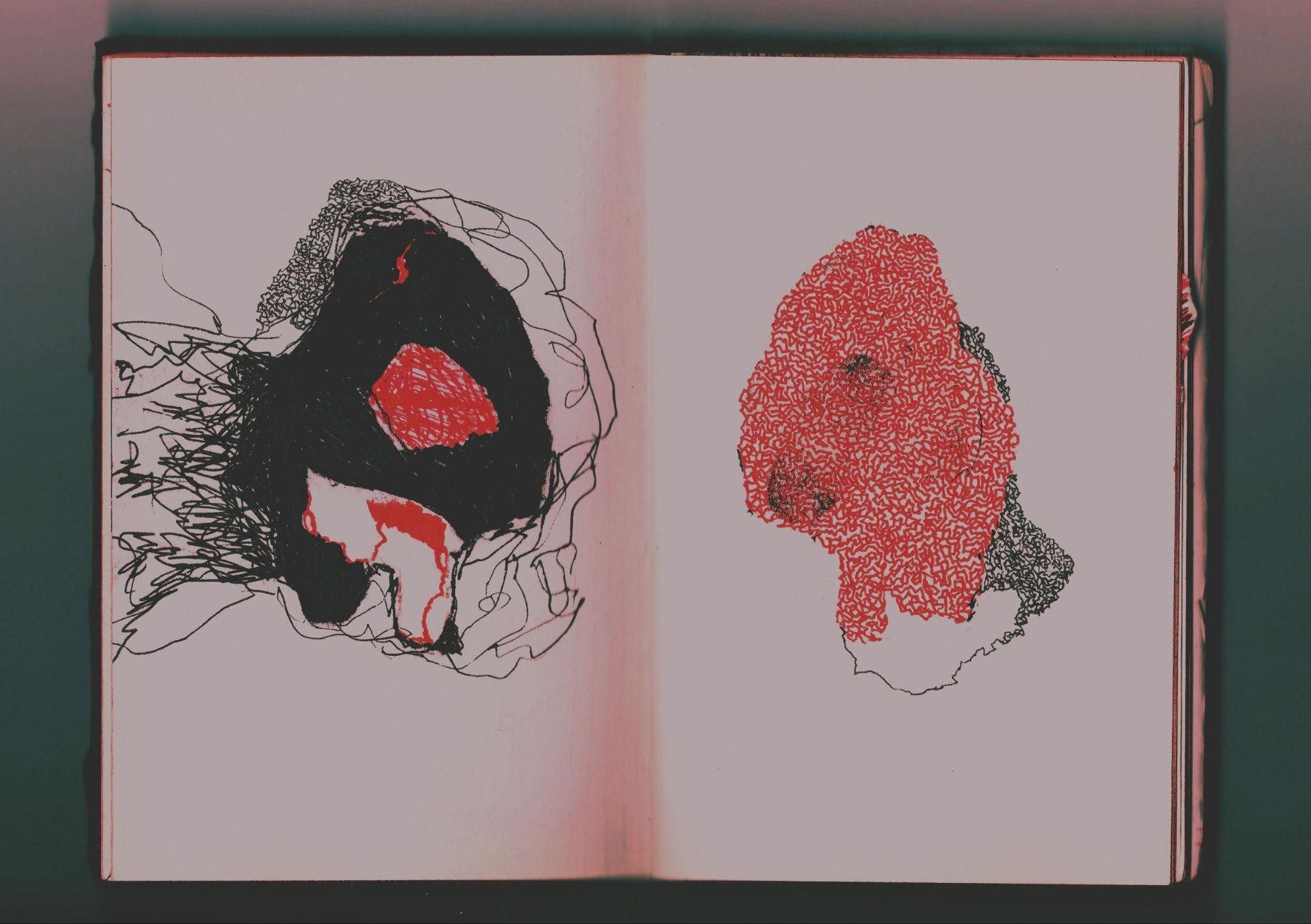
Artist’s book · 2019
Cavilaciones atravesadas
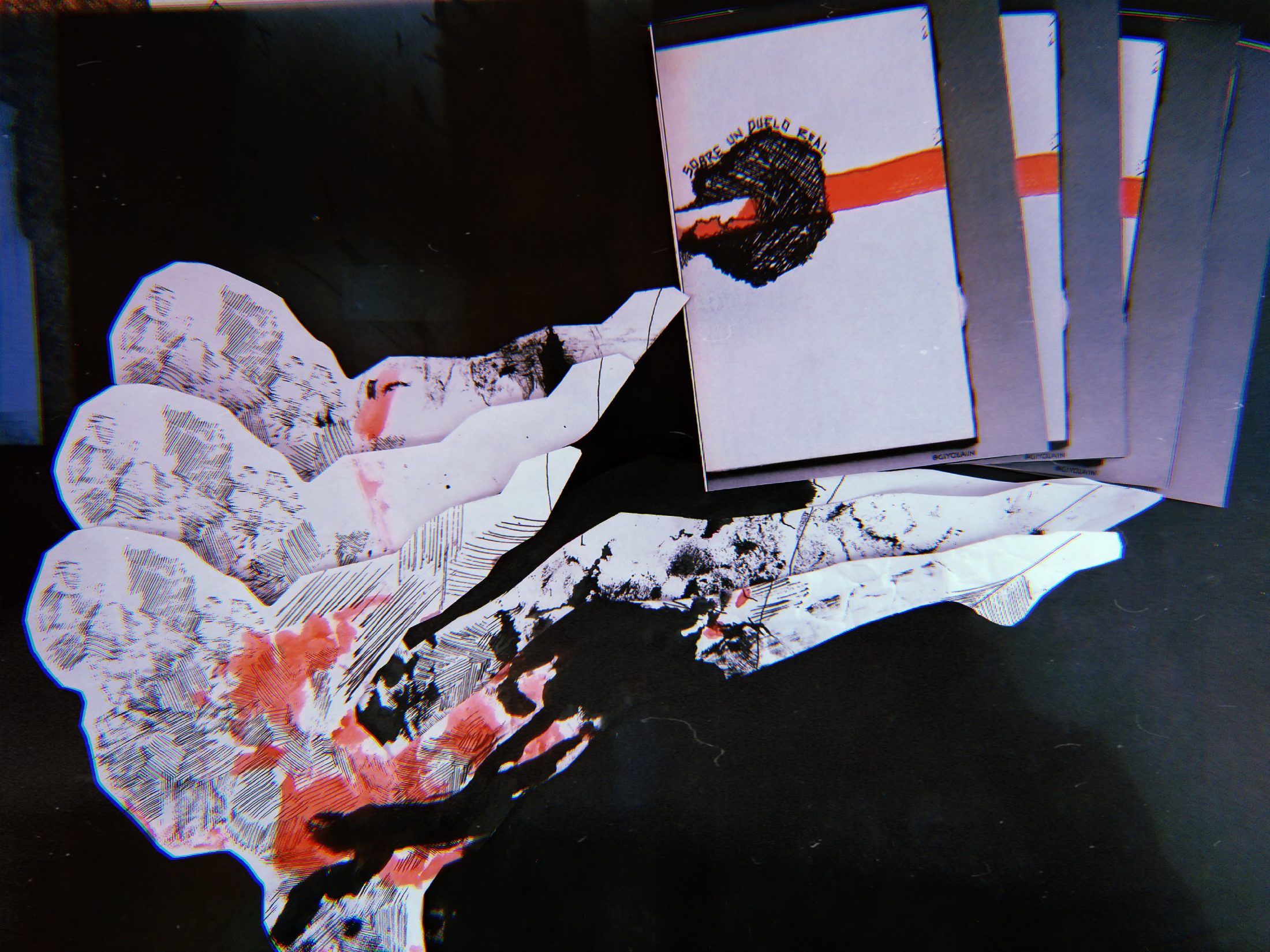
Artist publications & works on paper · 2019
Conversations with Technology
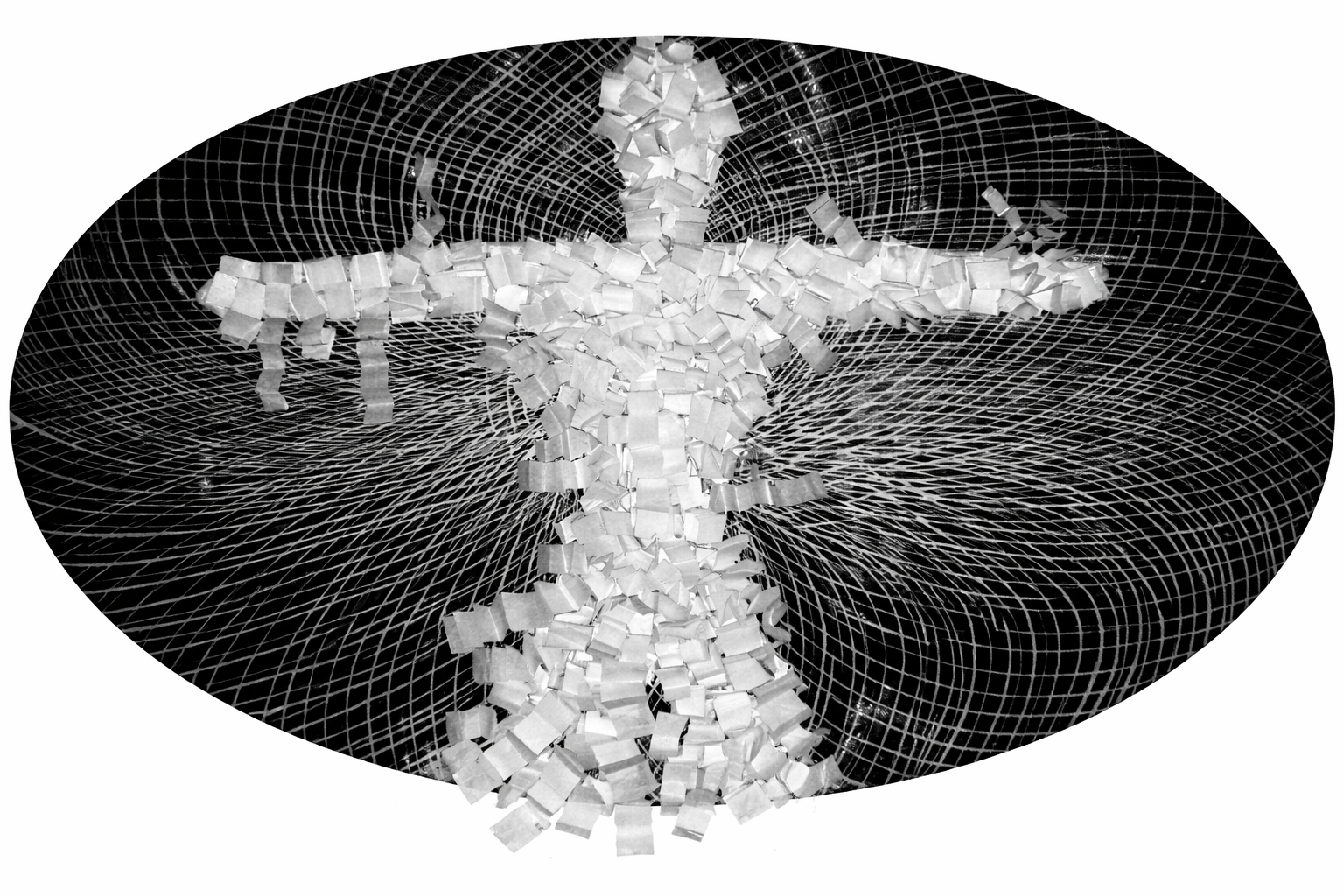
Layered colour woodcuts · 2018
Bodily Resonance
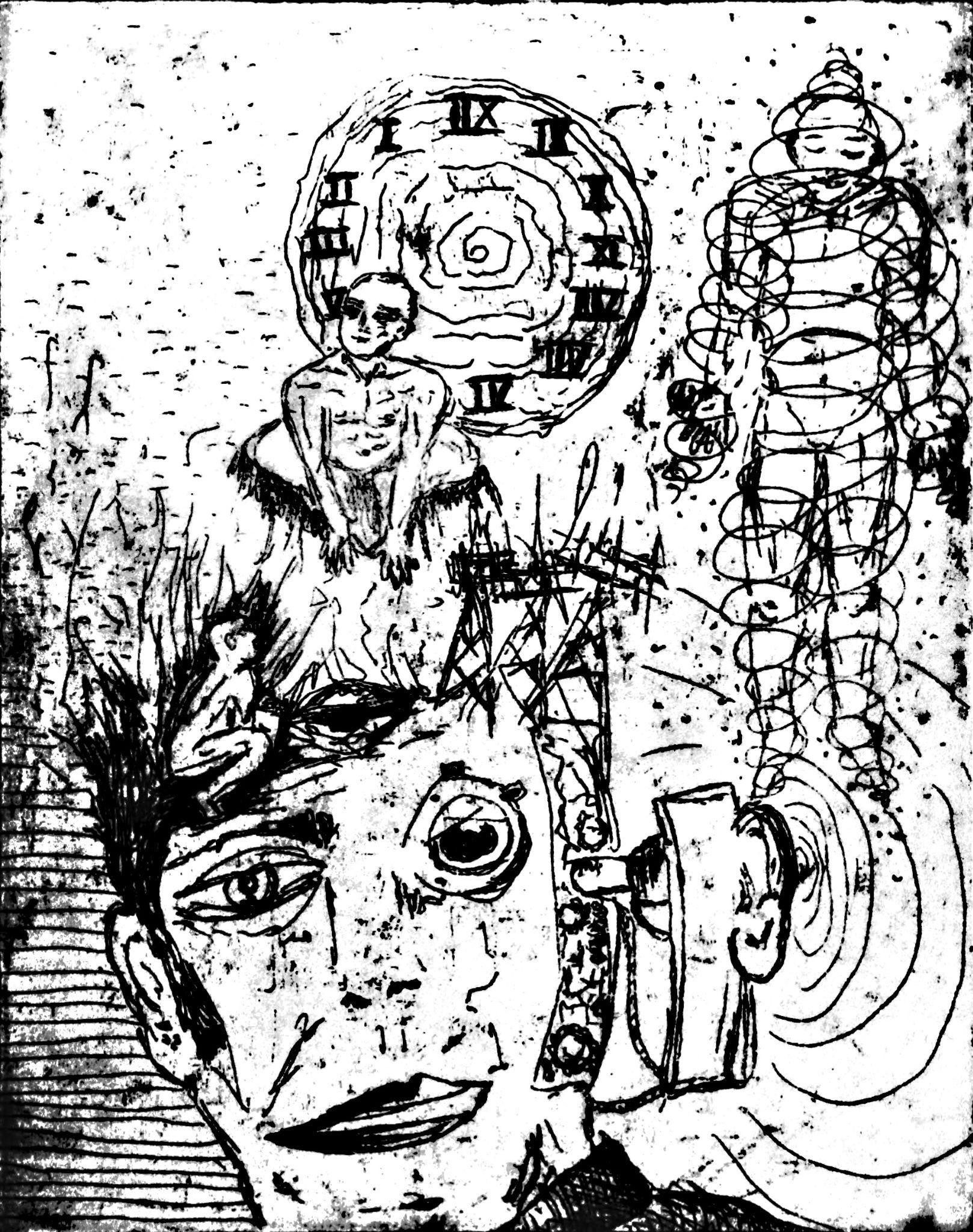
Etching & aquatint · 2018