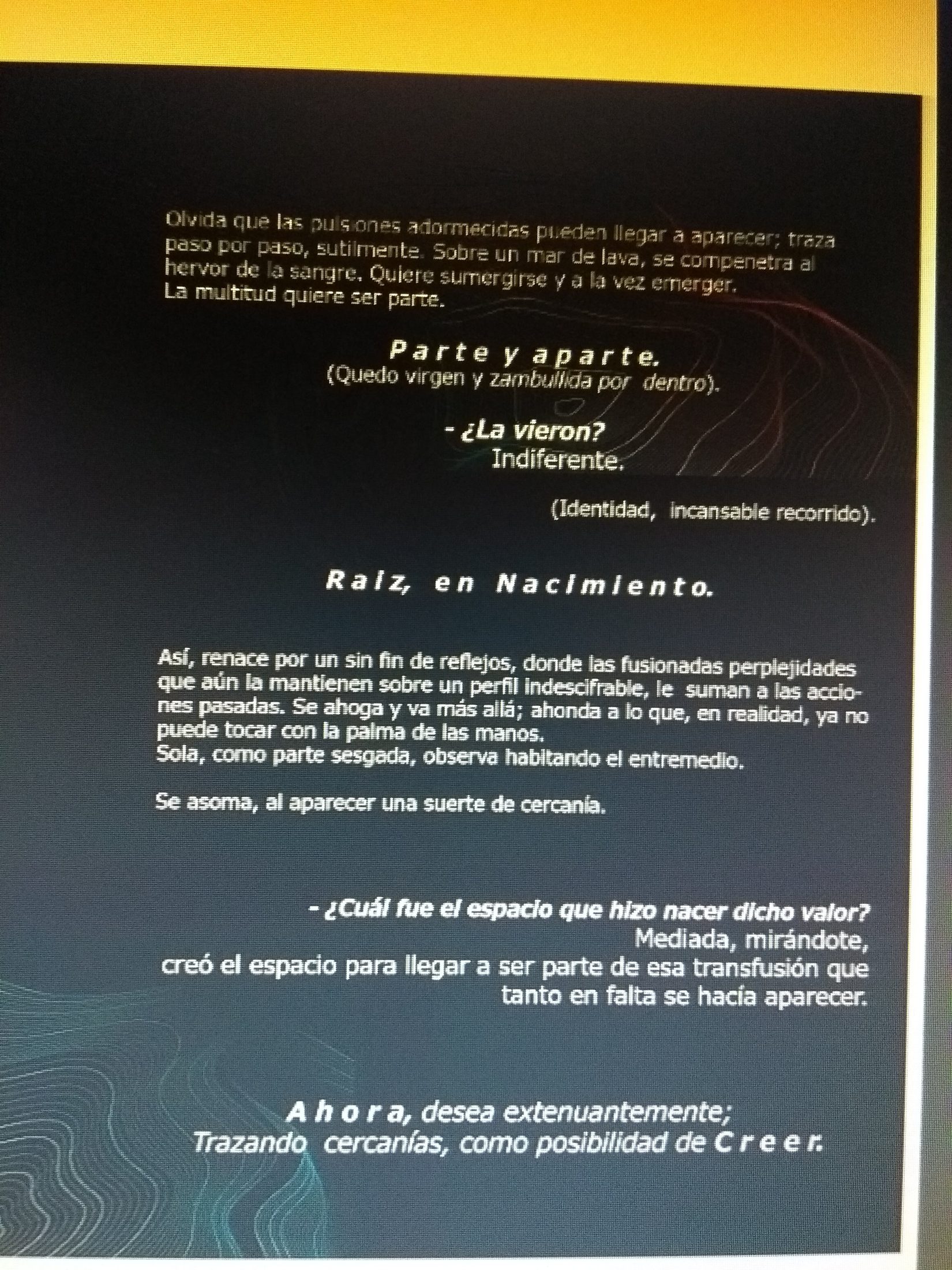
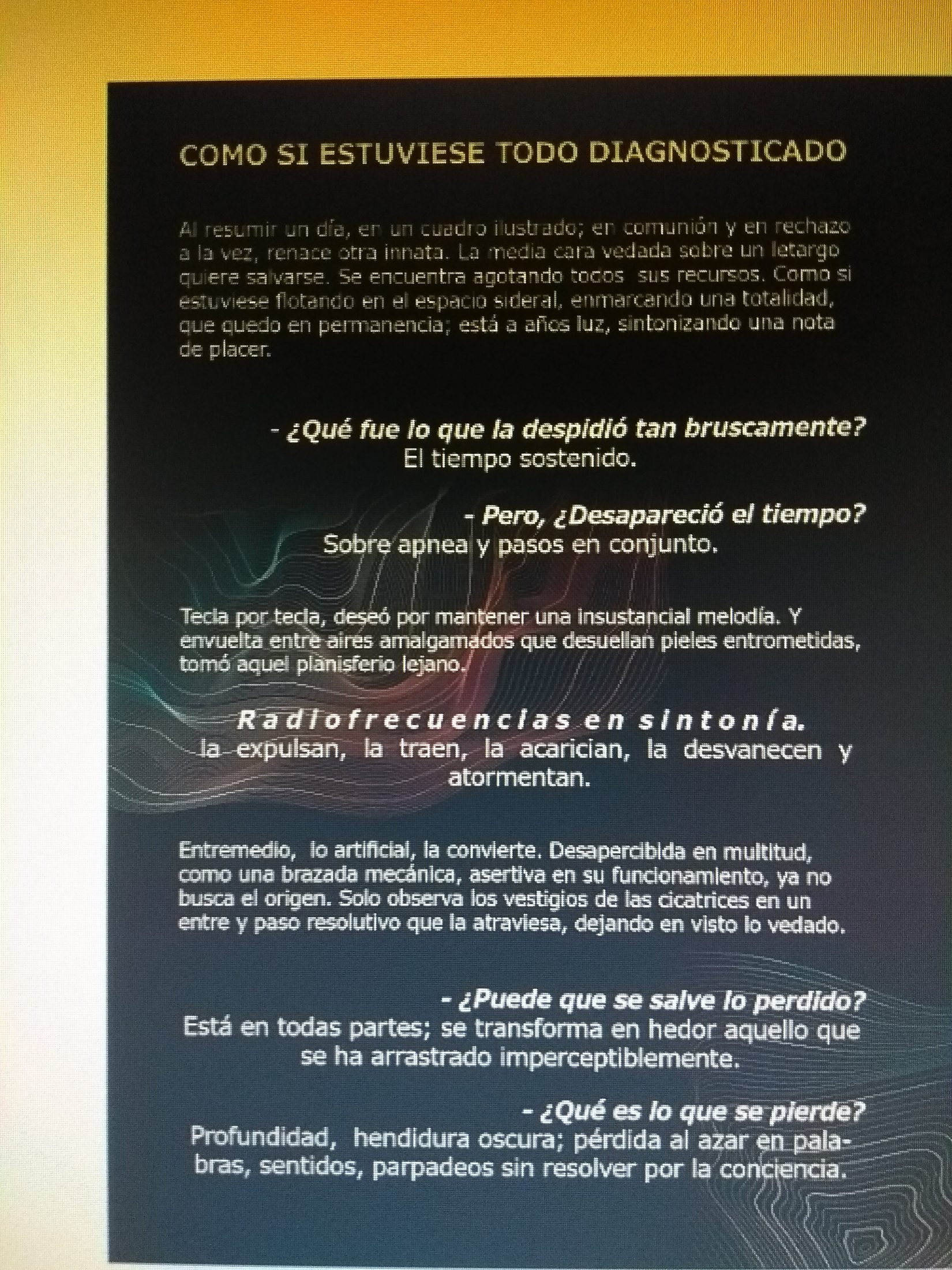
How does technology shape the ways we recognise ourselves? These fanzines and works on paper began with my attempts to understand what happened to my sense of self while interacting with the computer. Writing dialogues, drawing and experimenting with publication allowed different voices and sensations to coexist. The screen became part of the enquiry, shaping the rhythm of attention and the distance between an experience and its representation.
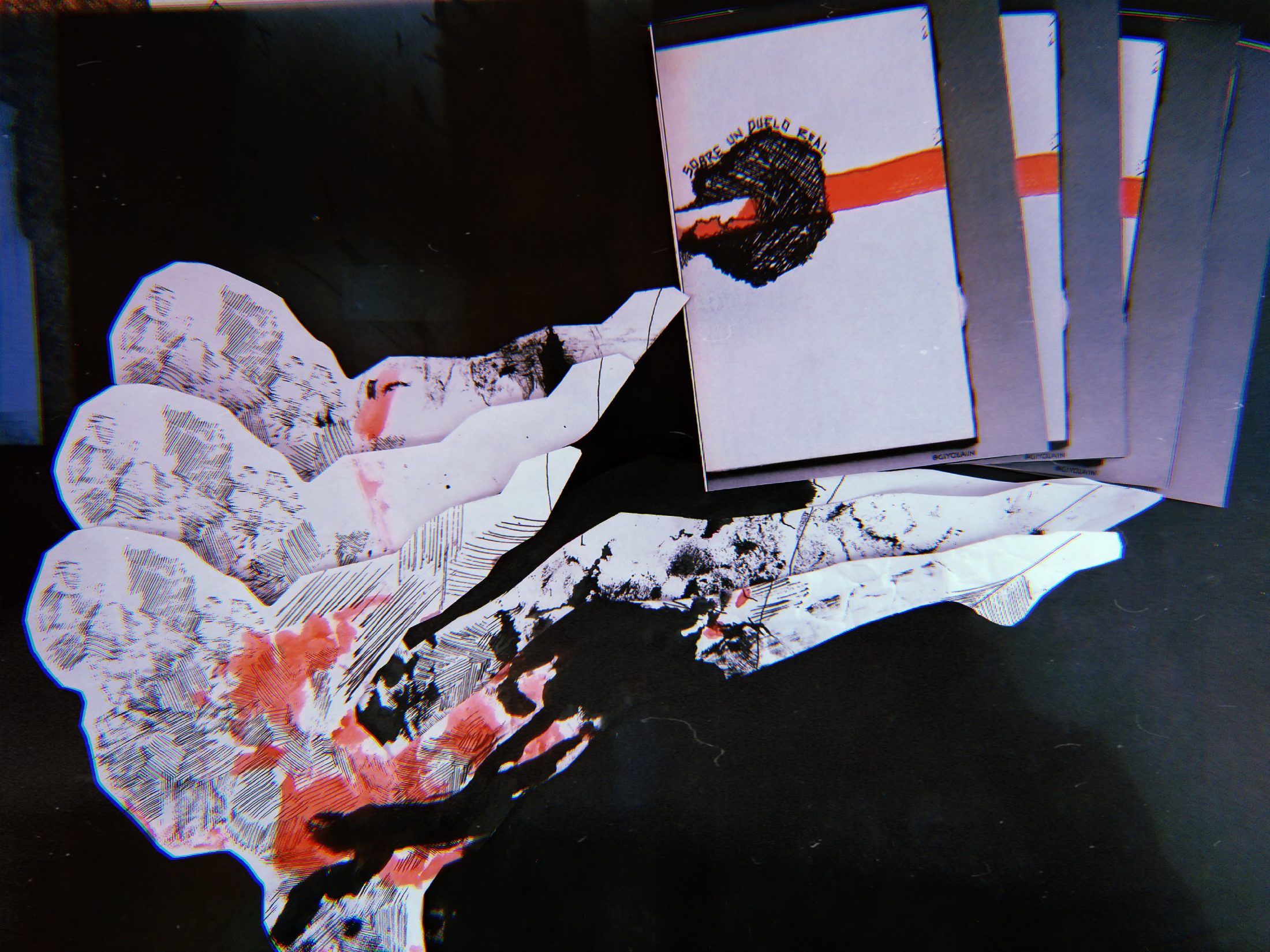
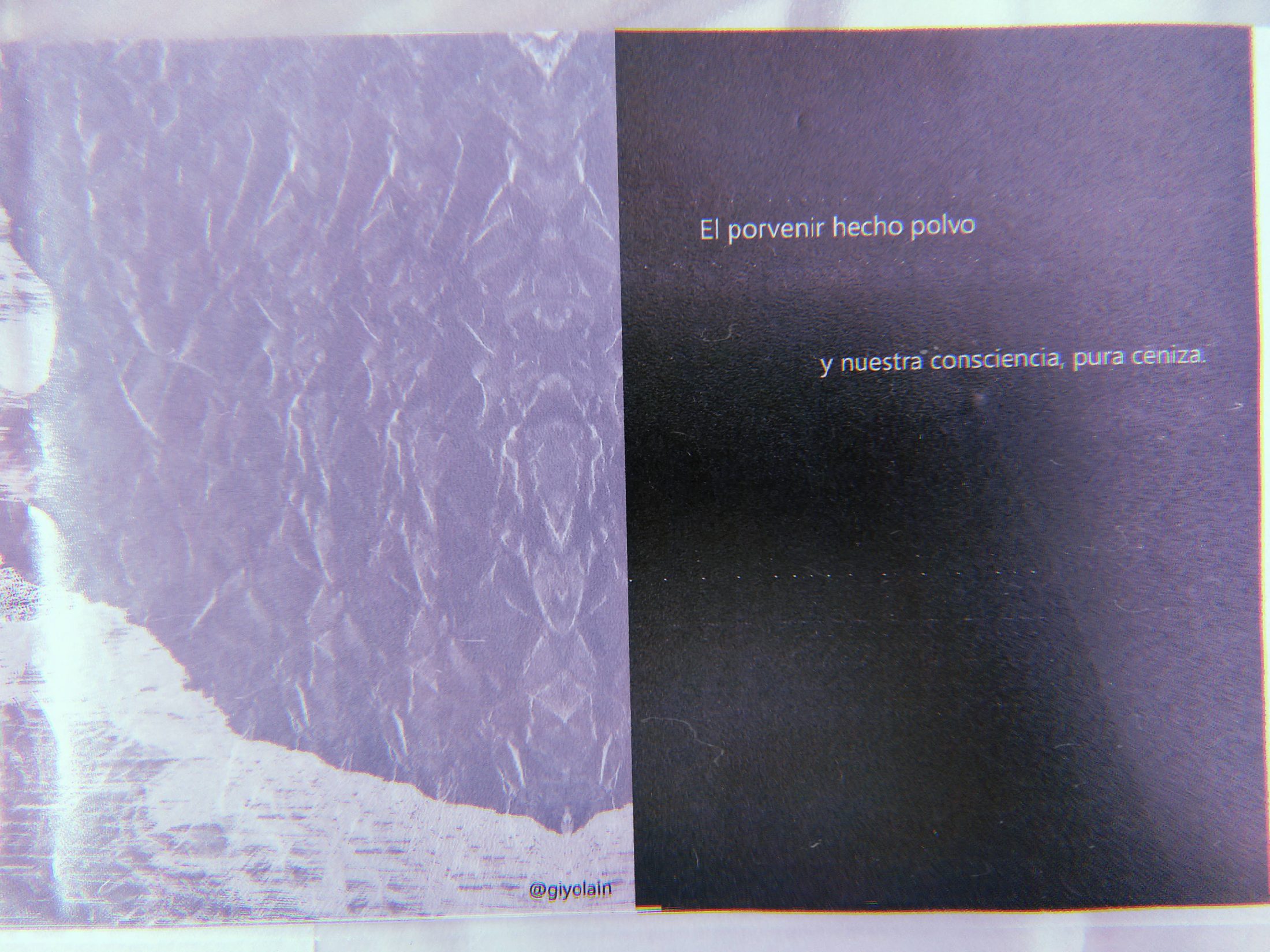
I explored the body as flesh, dust, time and space: living matter that feels, changes, leaves traces and enters into relationships. Drawing and writing gave these reflections material form. Marks could interrupt a sentence; a pause or fragment of dialogue could redirect the reading of an image. The fanzine became a tactile space for thought, translating encounters with the computer into pages that could be handled, revisited and shared.
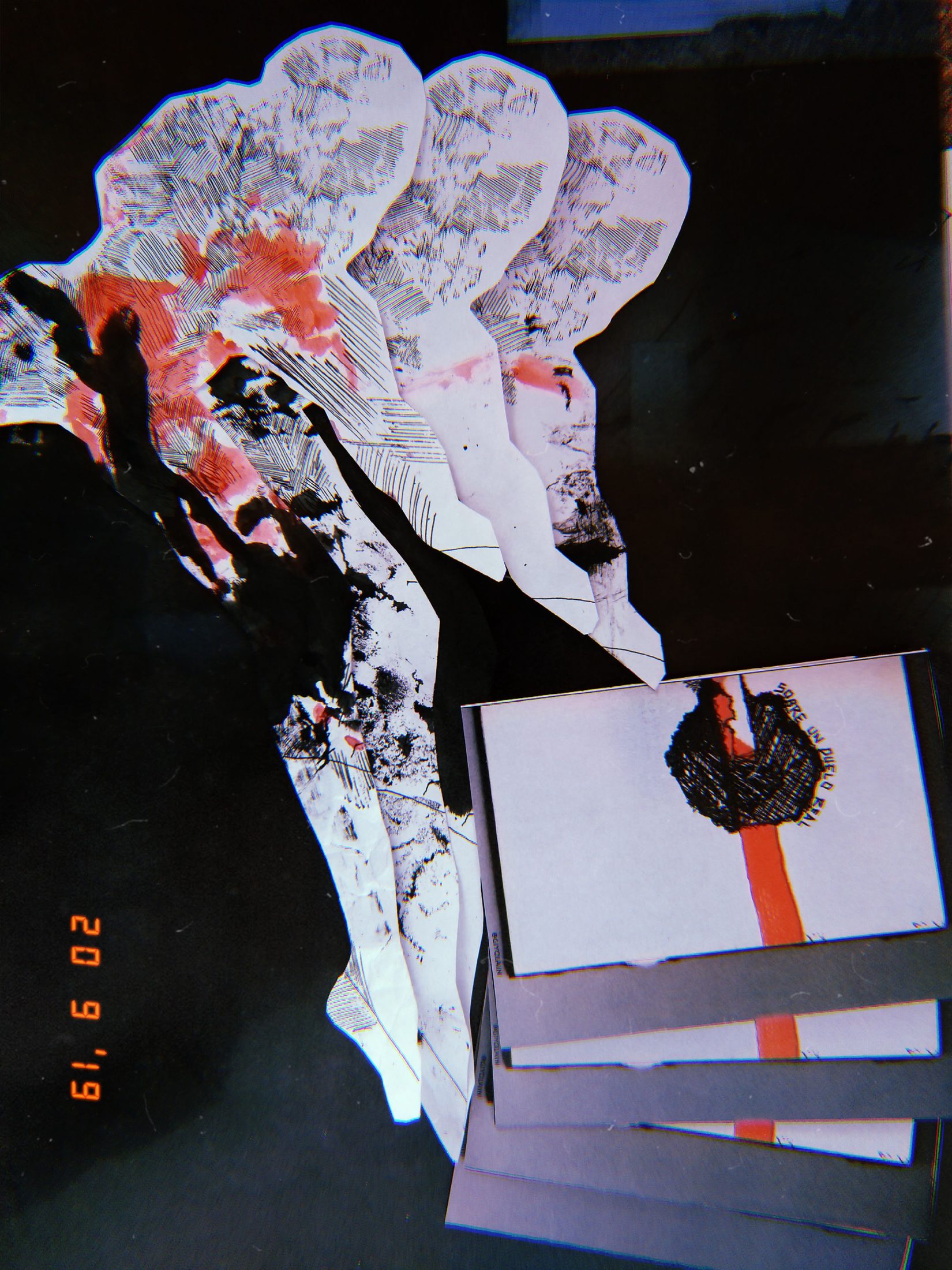
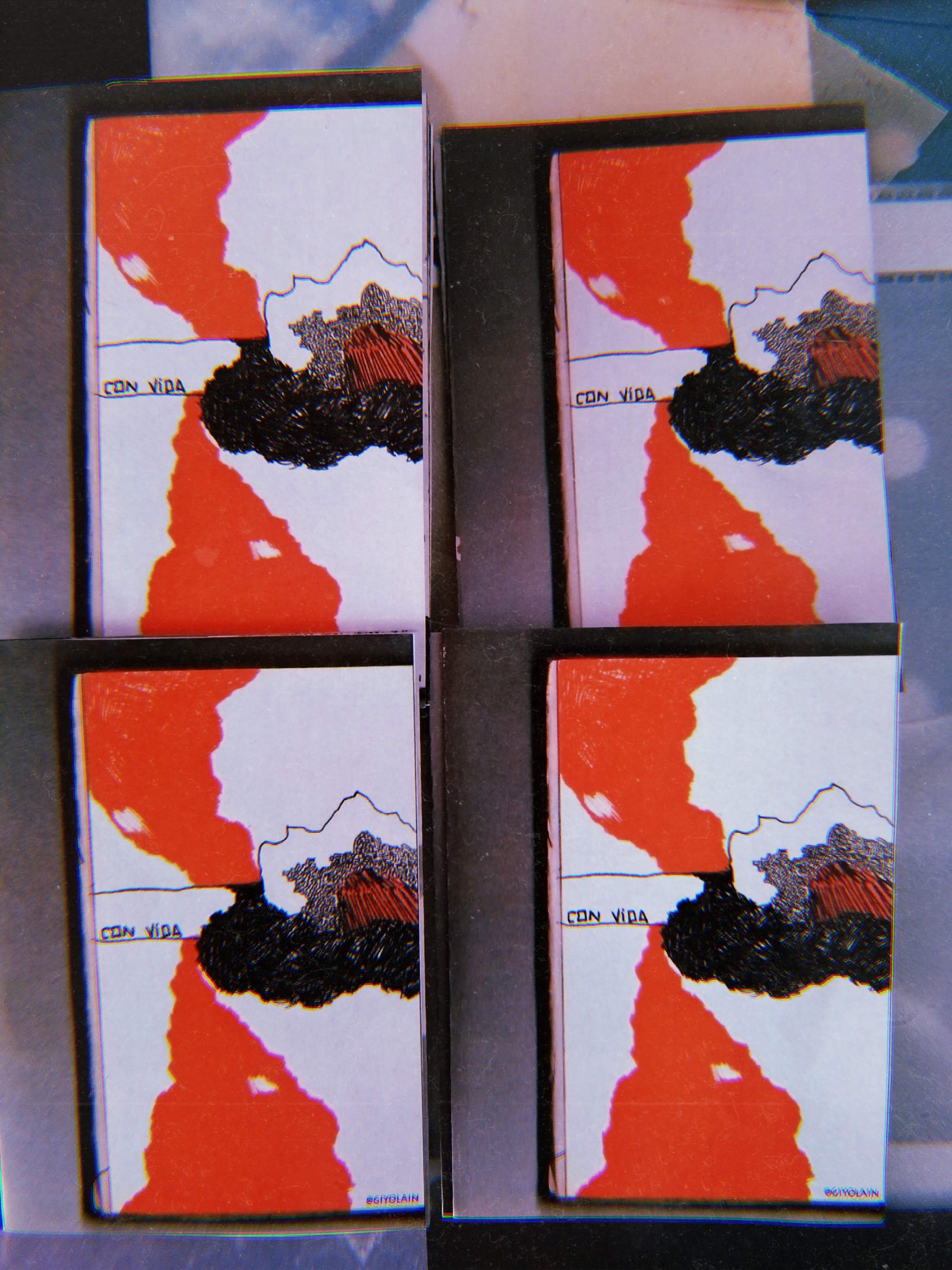
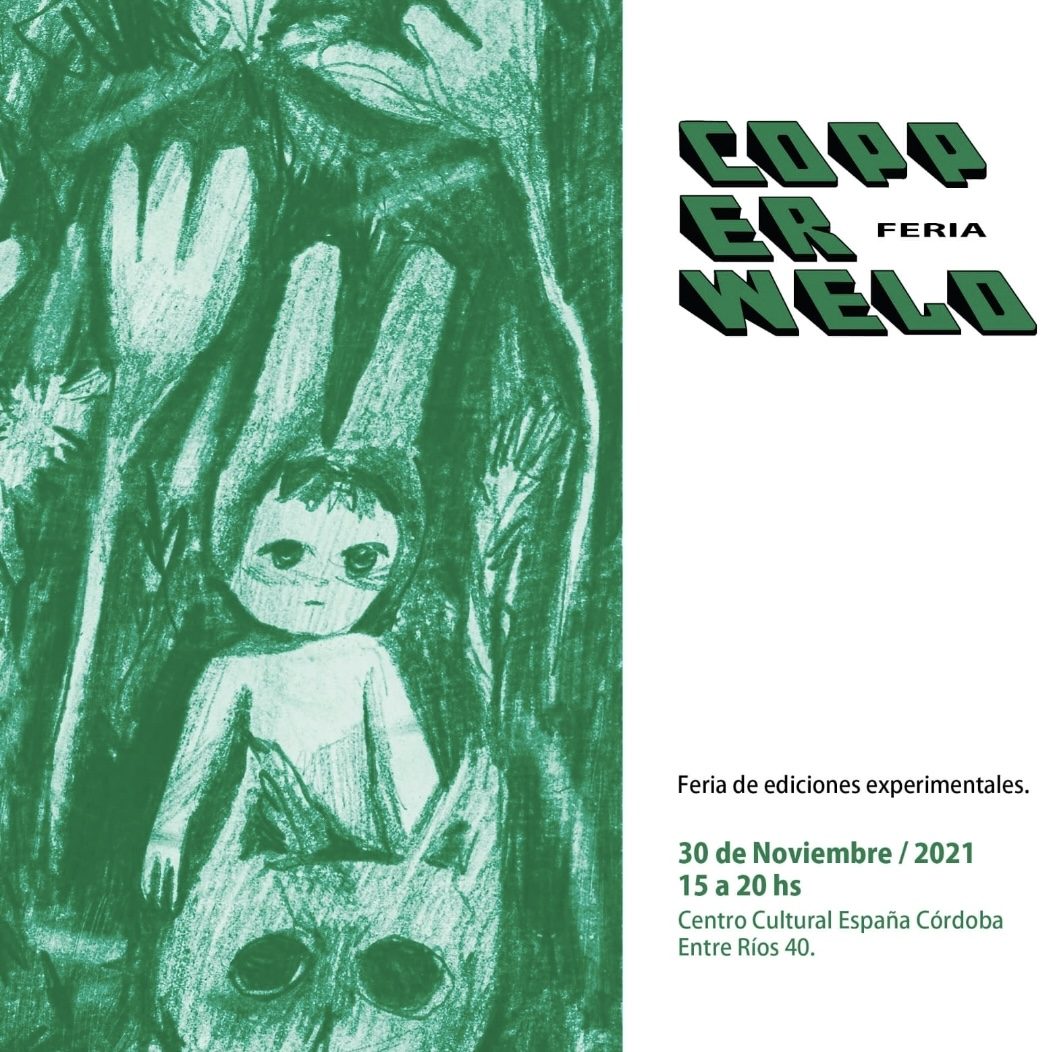
I made the publications and works on paper within the contexts of CePiA and the Spain Cultural Centre in Córdoba. Their circulation included Copperweld, Experimental Editions Fair, at the latter on 30 November 2021. Sharing the printed objects extended the dialogues to other readers. These early enquiries later developed into Body.Interface, connecting bodily sensation, existential questioning and the technical processes through which images and language become available to others.
Credits
Artist publications and works on paper: Gina Marin
Read more · Research, process and context
Early dialogues with the computer
These fanzines and works on paper emerged from my first attempts to perceive and articulate what happened to my sense of self through interaction with the computer. Developed within the contexts of CePiA (Arts Research Centre) and the Spain Cultural Centre in Córdoba, they brought drawing, poetic writing and experimental publishing together as a space for reflection. As I worked with the screen, I began to write dialogues: exchanges between voices, sensations and questions that did not resolve into a single position. The computer became part of the situation from which the writing arose, shaping the rhythm of attention, the distance between thought and image, and the experience of encountering my own words through a technical surface. These publications mark an early stage in the enquiry that would later develop into Body.Interface, in which the relationship between the living body and its mediated presence became a sustained artistic and theoretical concern.
Flesh, dust, and the question of life
The conceptual framework of the project begins with the body as a changing material condition. The body as flesh names the immediacy of sensation: the vulnerability of skin, the pressure of a gesture, the density of being alive and the impossibility of experiencing the world without being affected by it. The body as dust introduces another scale, in which the apparent unity of the individual opens onto dispersal, residue and transformation. Between these two images, I ask what life is, how it becomes perceptible, and what remains when the forms through which we recognise a body begin to dissolve. Flesh and dust therefore operate as interdependent figures through which to think about presence and impermanence. The drawings translate this tension into accumulated marks, interrupted contours and forms that gather and fragment, while the writing allows different voices to inhabit the uncertainty of a body that is simultaneously living matter and matter in transition.
The body as time and space
To think of the body as time is to recognise that experience leaves traces: memory, repetition, fatigue, anticipation and loss become part of how a body inhabits the present. To think of the body as space is to consider how it establishes distances, occupies a place, encounters limits and enters into relation with other bodies and environments. In these publications, time and space are approached through the lived experience of writing, drawing and interacting with the computer. The screen offers a field in which images can be displaced, repeated and recomposed, while the body continues to experience the duration of the gesture and the material circumstances of its production. The dialogues emerge within this relationship, attending to the gap between the mobility of a digital image and the situated life of the person who makes and observes it. Rather than closing that gap, the work uses it as a space for questioning how presence is constructed and how a body recognises itself across different forms of mediation.
The fanzine as a material space for thought
Experimental publishing gave these reflections a form that could be handled, revisited and shared. Drawing and text coexist on the page as distinct but connected modes of enquiry: a dense field of marks can interrupt a sentence, an empty area can prolong a pause, and a fragment of dialogue can redirect the reading of an image. The passage from interaction with the computer to the printed publication returns these questions to a tactile encounter, where thought acquires weight, surface and sequence. Reproduction also changes the scale of the work, allowing an intimate reflection to circulate between readers without fixing it into a definitive explanation. In this sense, the fanzine functions as a research space in its own right, holding together bodily sensation, existential questioning and the technical processes through which language and images become available to others.
Context and circulation
The project developed in the contexts of CePiA (Arts Research Centre) and the Spain Cultural Centre in Córdoba, Argentina. Its circulation included Copperweld, Experimental Editions Fair, at the Spain Cultural Centre in Córdoba on 30 November 2021. Bringing these publications into spaces of exchange extended their enquiry into relation and encounter: the dialogues generated through an individual engagement with the computer became material objects through which other people could read, interpret and respond.