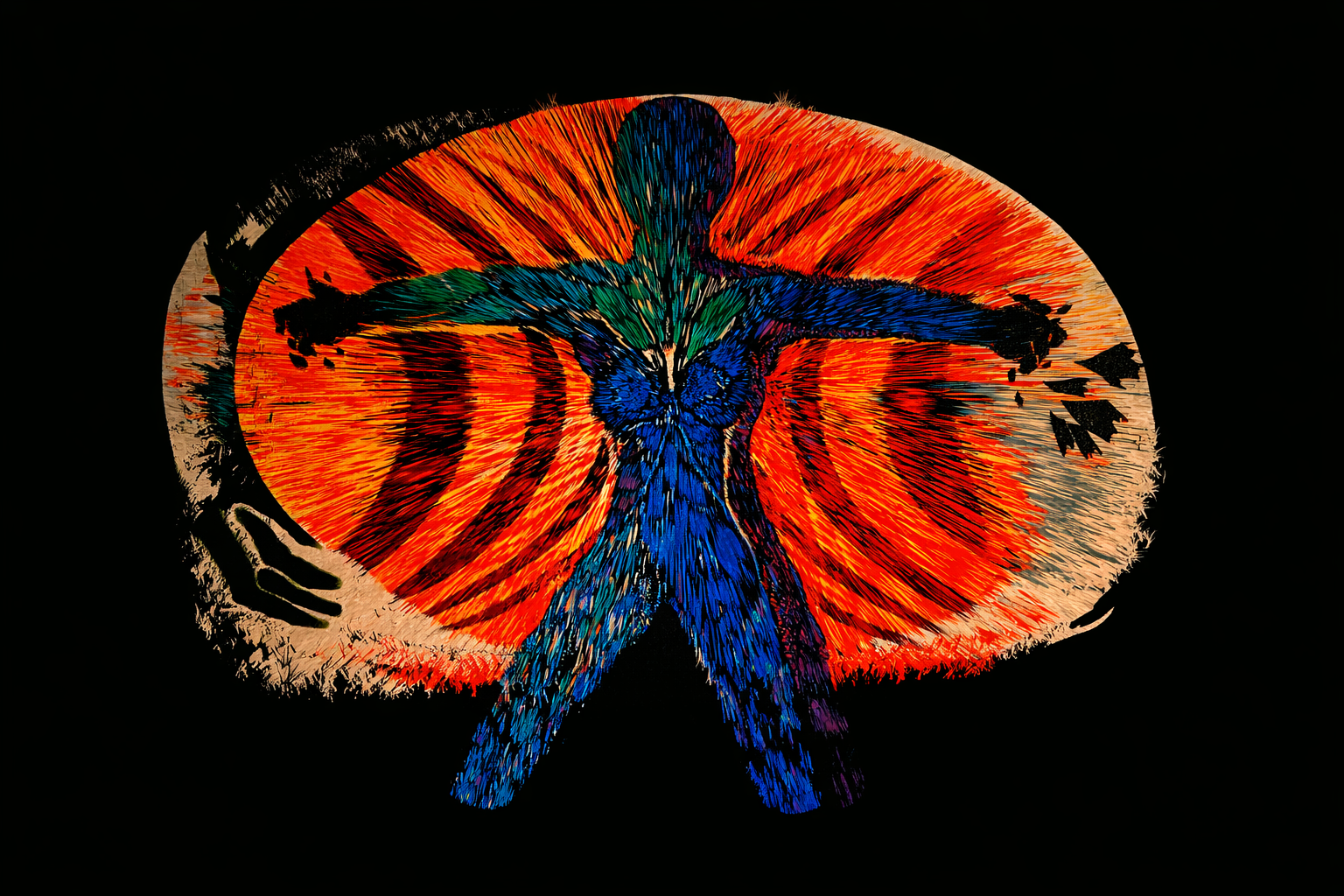
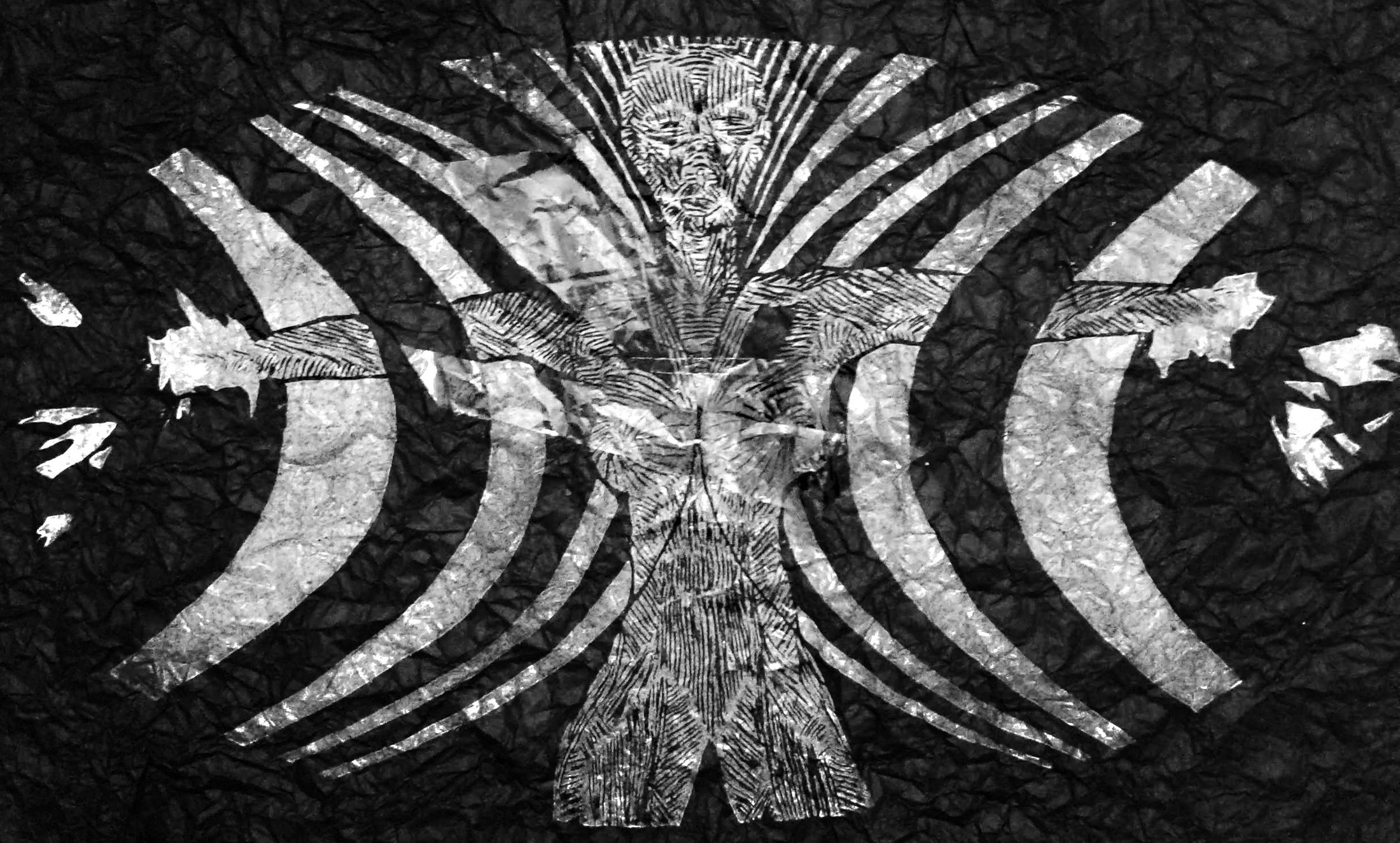
How can layers of print make a body resonate? Bodily Resonance explores my presence as a woman and as a vibrational body through woodcut, colour and reduction printmaking. The image develops through overlapping fields of texture and line. Resonance is approached as a visual and material enquiry, asking how a figure and the space around it can emerge through the interaction of successive impressions.
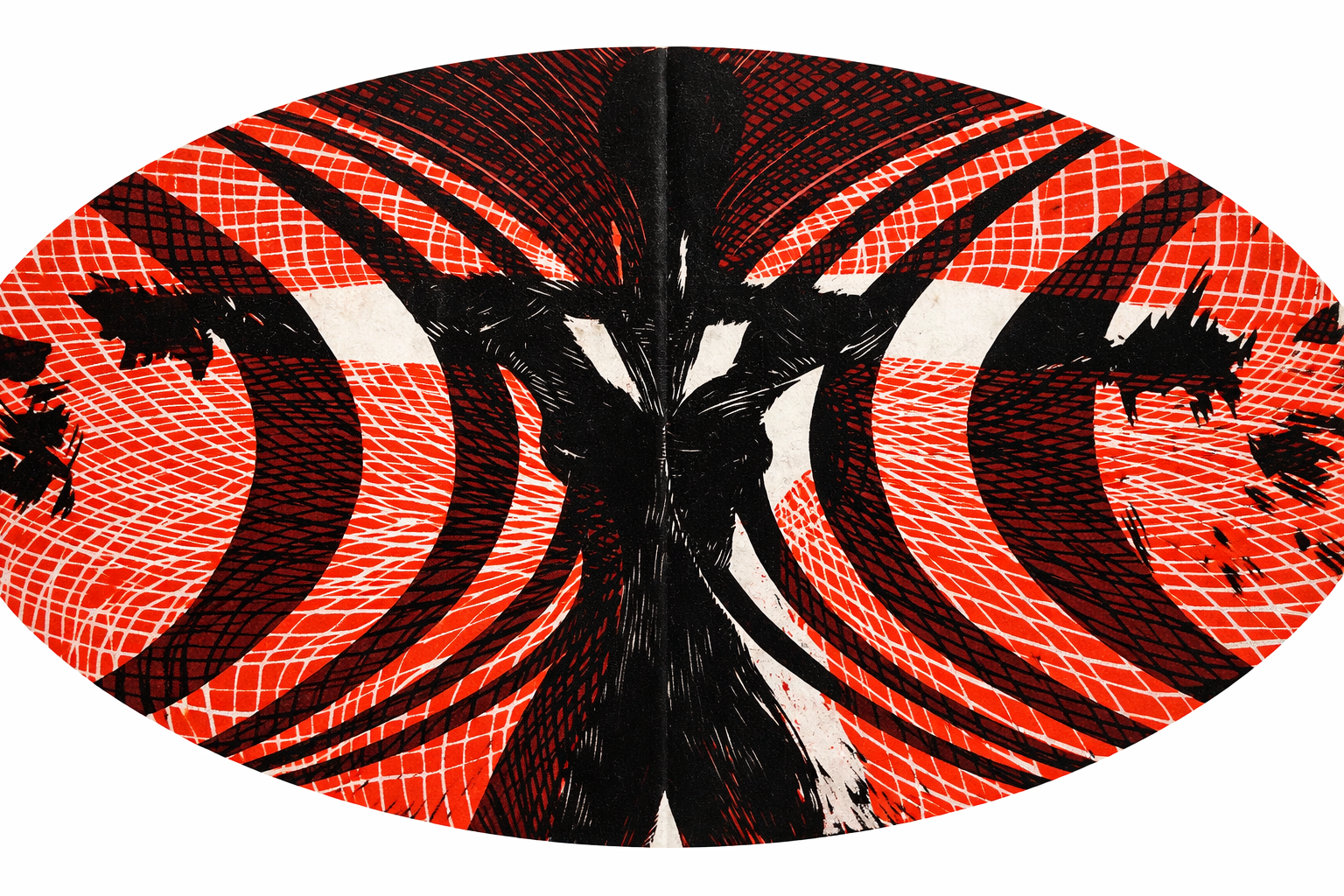
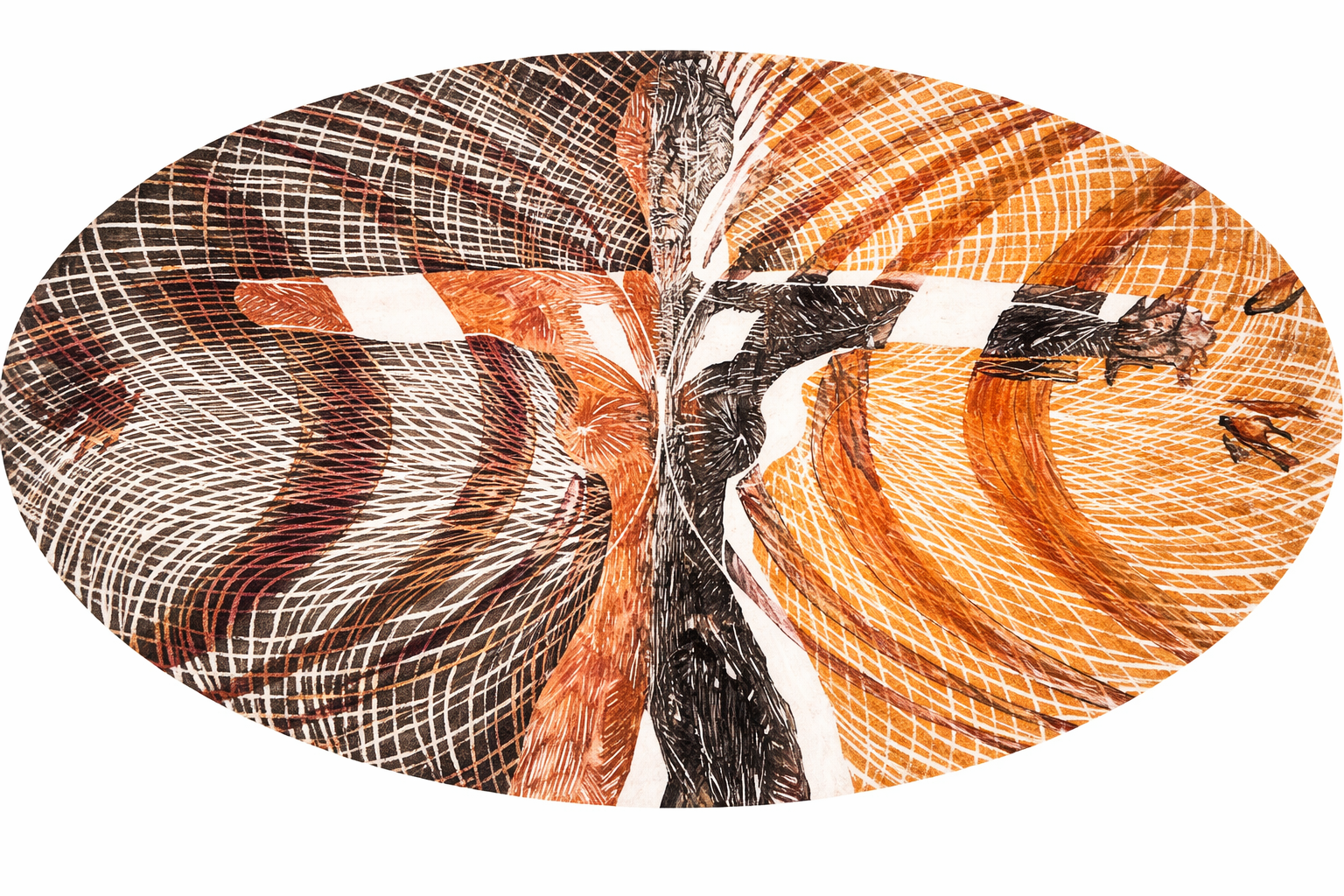
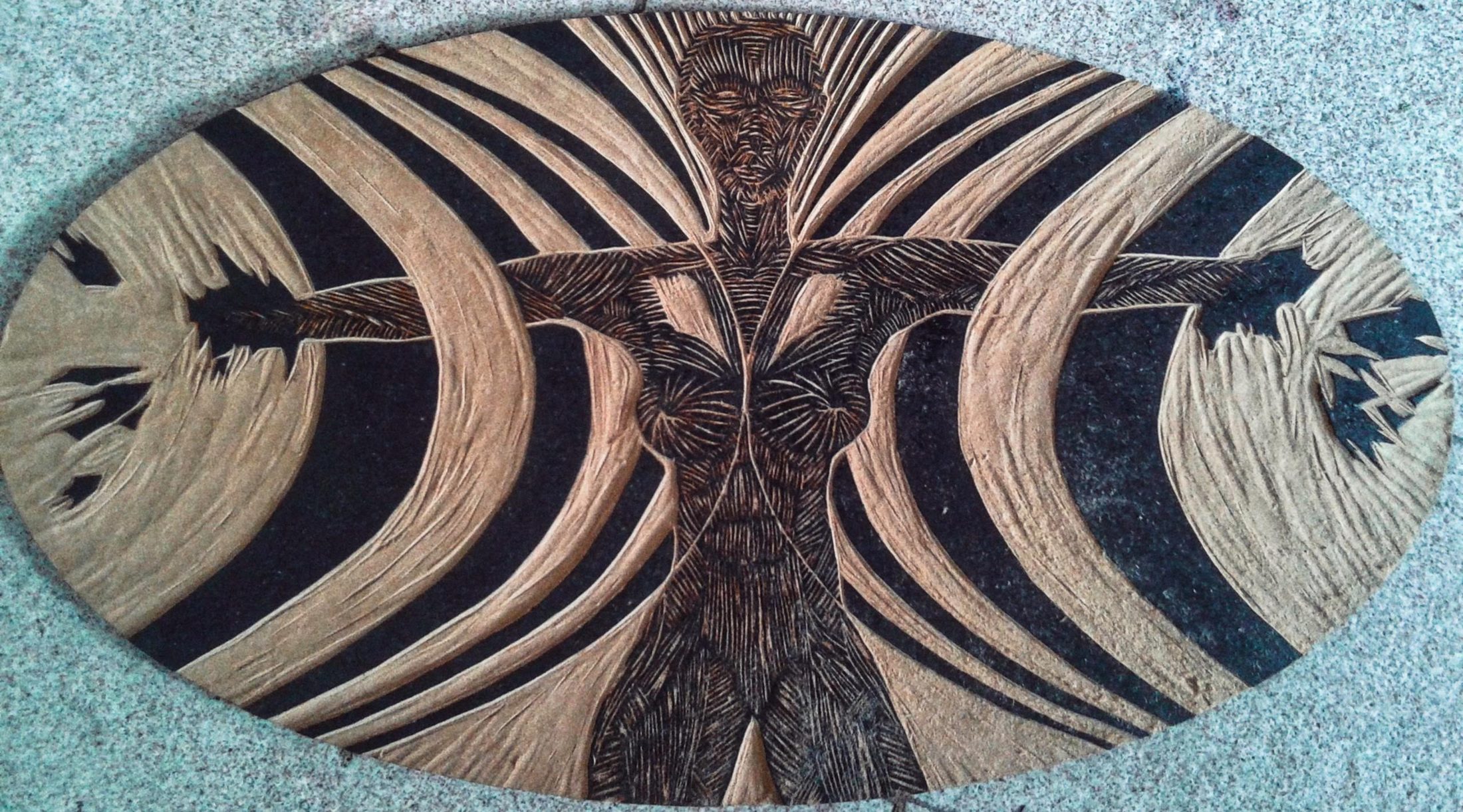
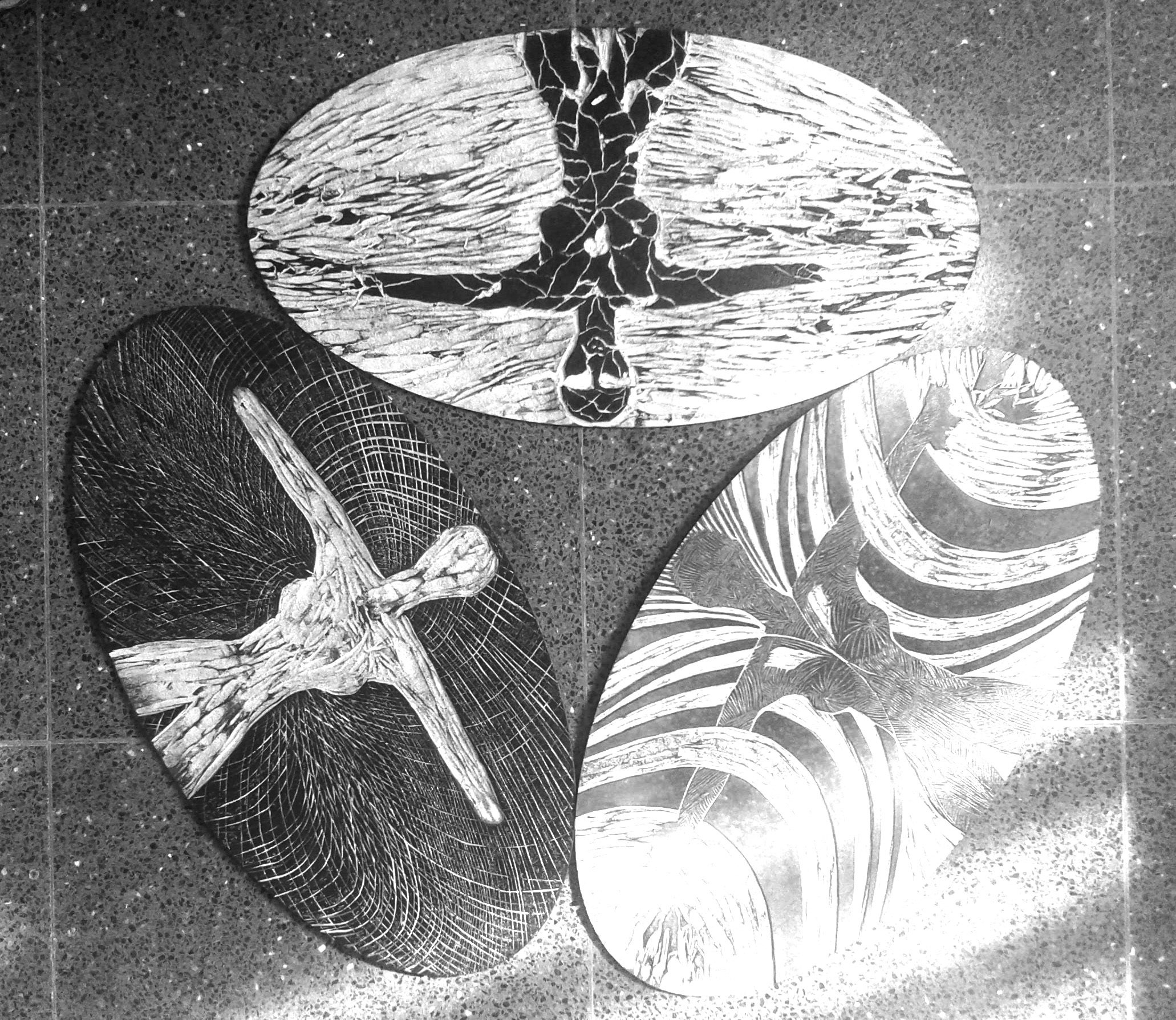
I began with watercolour and ink sketches, testing texture and colour before carving three wooden matrices with gouges. Each proposed a distinct layer: an elliptical field evoking toroidal geometry, a fragmented figure dispersing into its surroundings, and an interior of fibres and musculature. Carved marks and empty areas gave these images different material rhythms. Sequential work on the blocks made transformation part of the process itself.
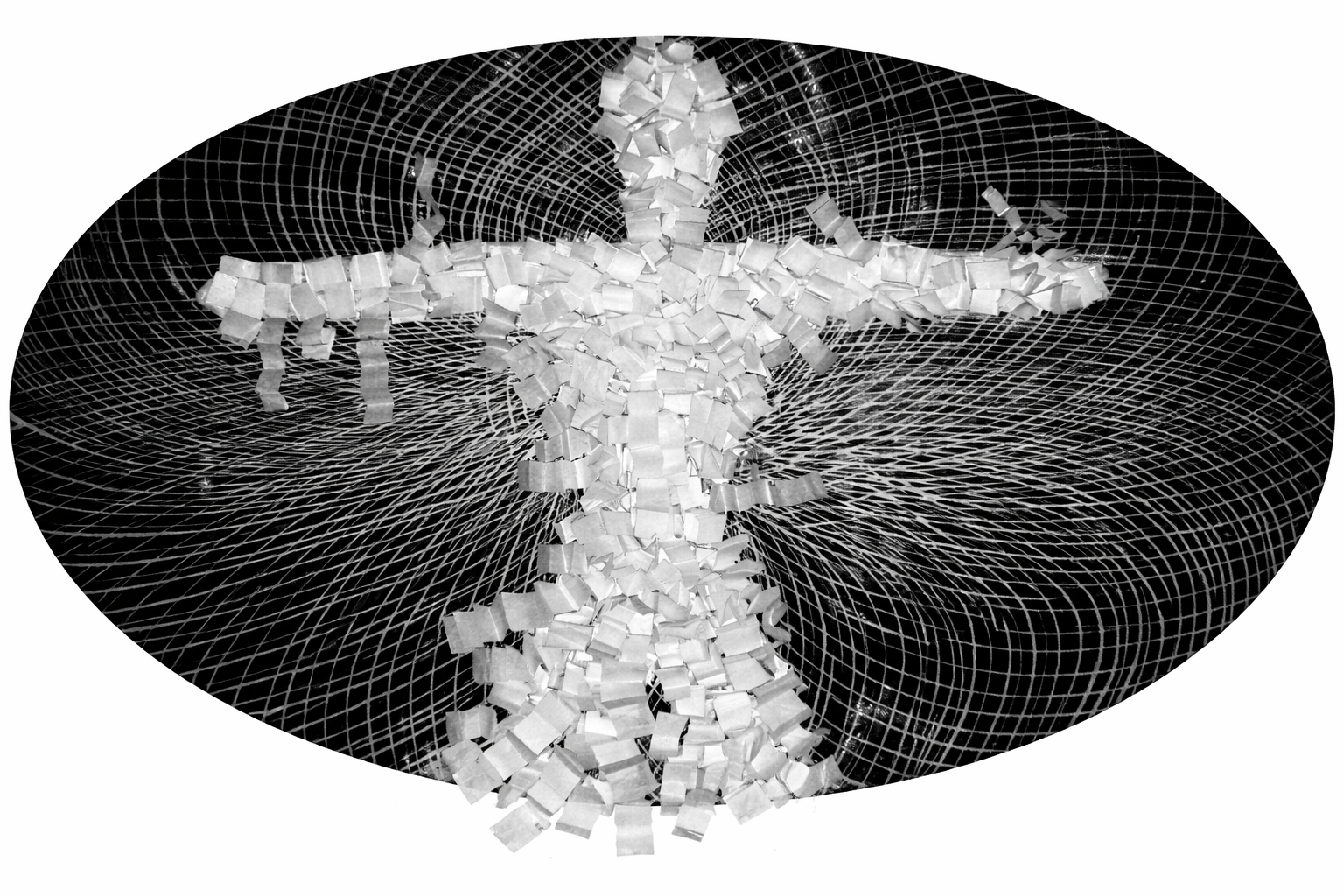
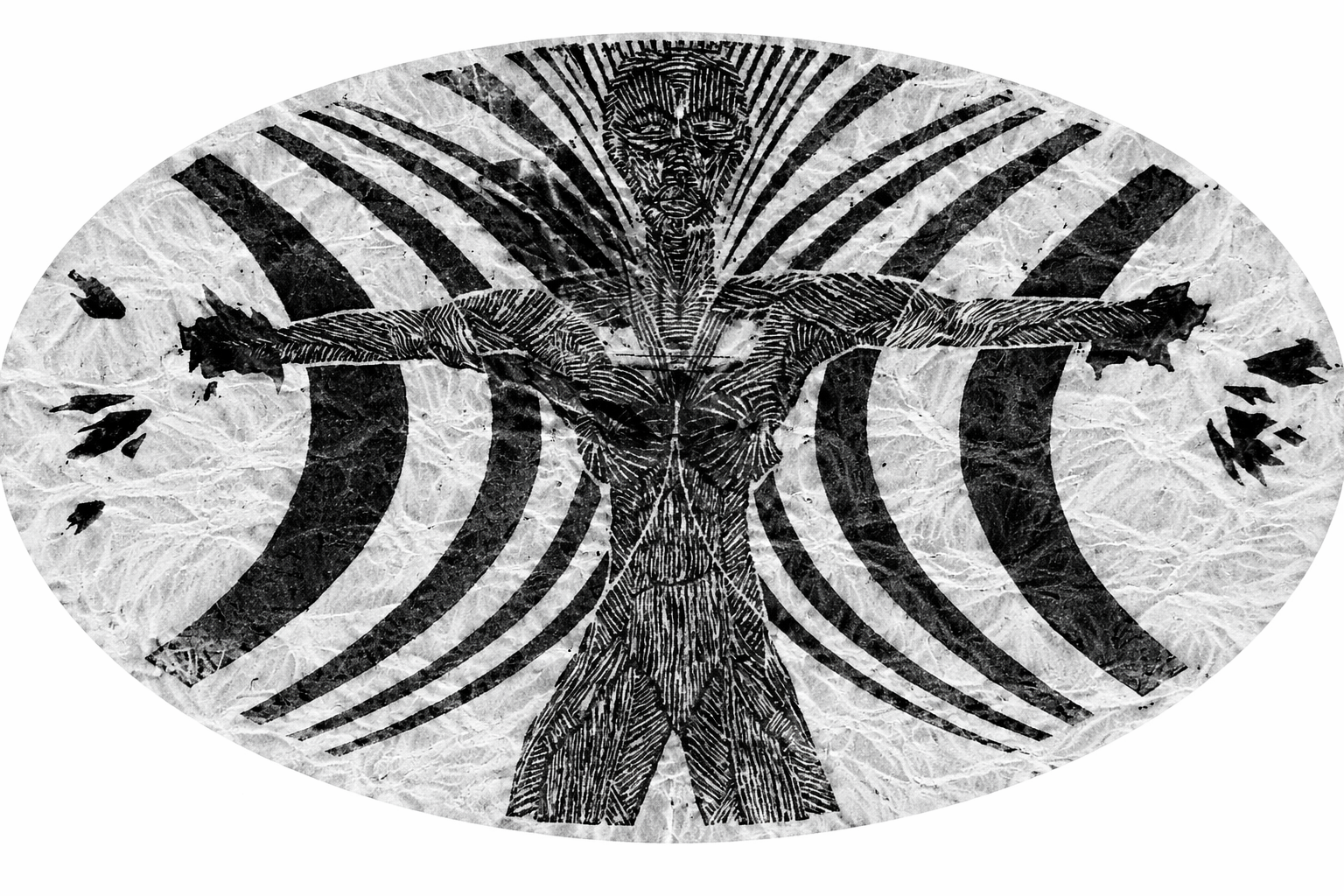
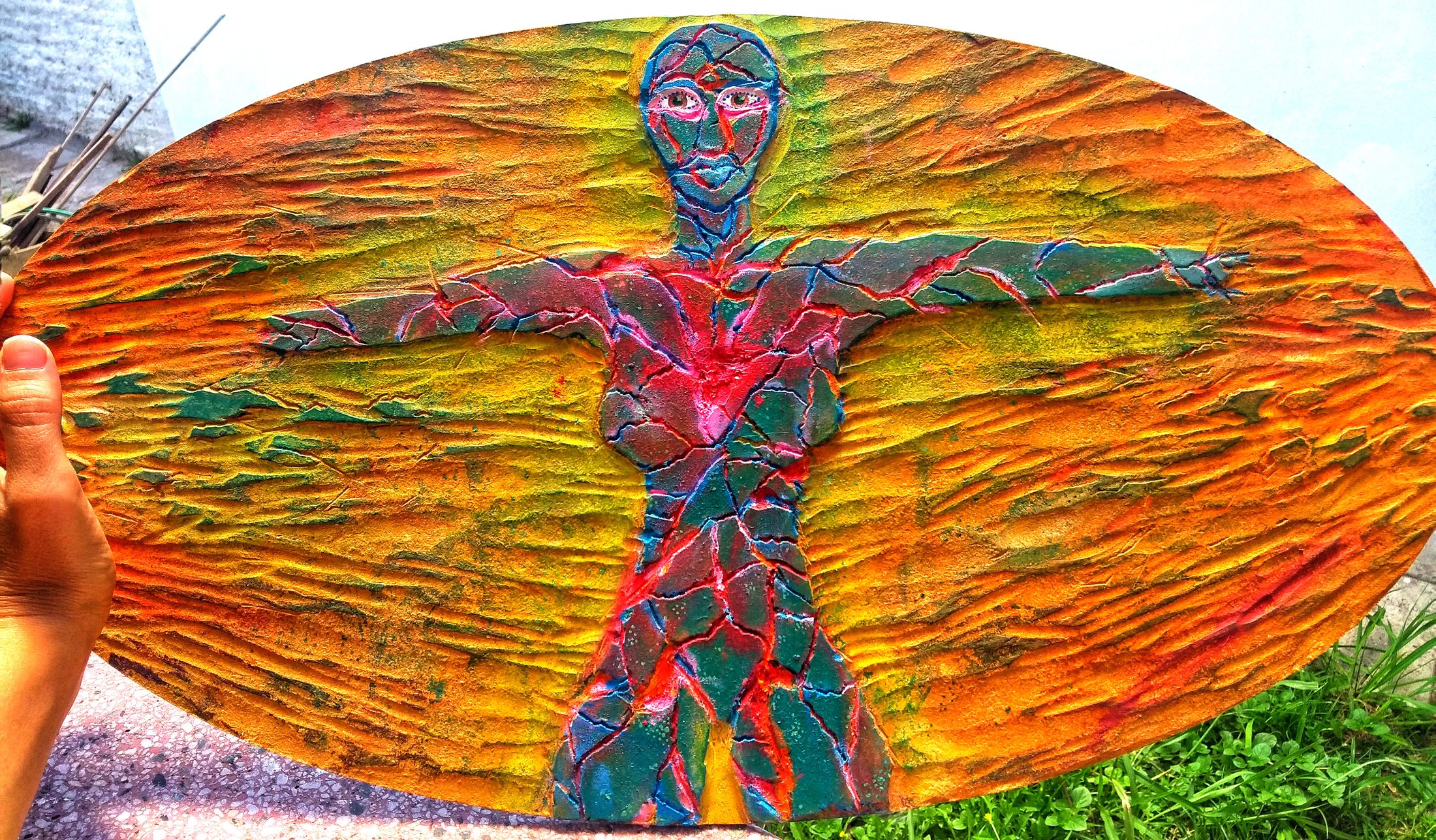
Superimposed impressions brought the layers into a shared composition. The wooden supports, subsequently painted with oil and ink, also remained as records of the work’s changing stages. I developed the studies, matrices and prints as parts of this enquiry into bodily representation. The documentation places finished impressions alongside experiments and carved surfaces, allowing their relationships to remain visible. The project forms an earlier strand of Body.Interface, connecting the body’s image with the resistance and accumulated traces of printmaking.
Credits
Artist: Gina Marin
Read more · Research, process and context
About the work
Bodily Resonance explores the body through woodcut, colour woodcut and reduction printmaking, also known as the lost-block method. Overlapping impressions bring together different fields of texture, colour and line, constructing an image of bodily resonance in which I inscribe my own presence as a woman and as a vibrational body.
From studies to wooden matrices
The process began with sketches on paper, using watercolour and ink to test texture and colour. I then produced three wooden blocks, carving them with gouges and working on them successively and sequentially, each intended for a different colour layer.
Each matrix was conceived as a distinct vibrational layer. One represented an electromagnetic field in the form of an ellipse, evoking toroidal geometry and the idea of an auric frequency surrounding the body. Another depicted a fragmented figure dispersing and expanding, its rough surfaces inscribing an almost political territory between lines and voids. The third revealed the body’s fleshy interior, with fibres and musculature immersed in a vibrational field.
Superposition and material traces
The final composition brought these impressions together through superposition. Successive layers of colour and carved marks produced a more defined image of bodily resonance, allowing the figure and its surrounding field to emerge through their interaction.
The reduction process also left a material record. The wooden supports, carved and subsequently painted with oil paint and ink, remained as evidence of the work’s passage through different stages of transformation.
Part of the research
This project is documented as an earlier stage of the enquiry developed in Body.Interface.