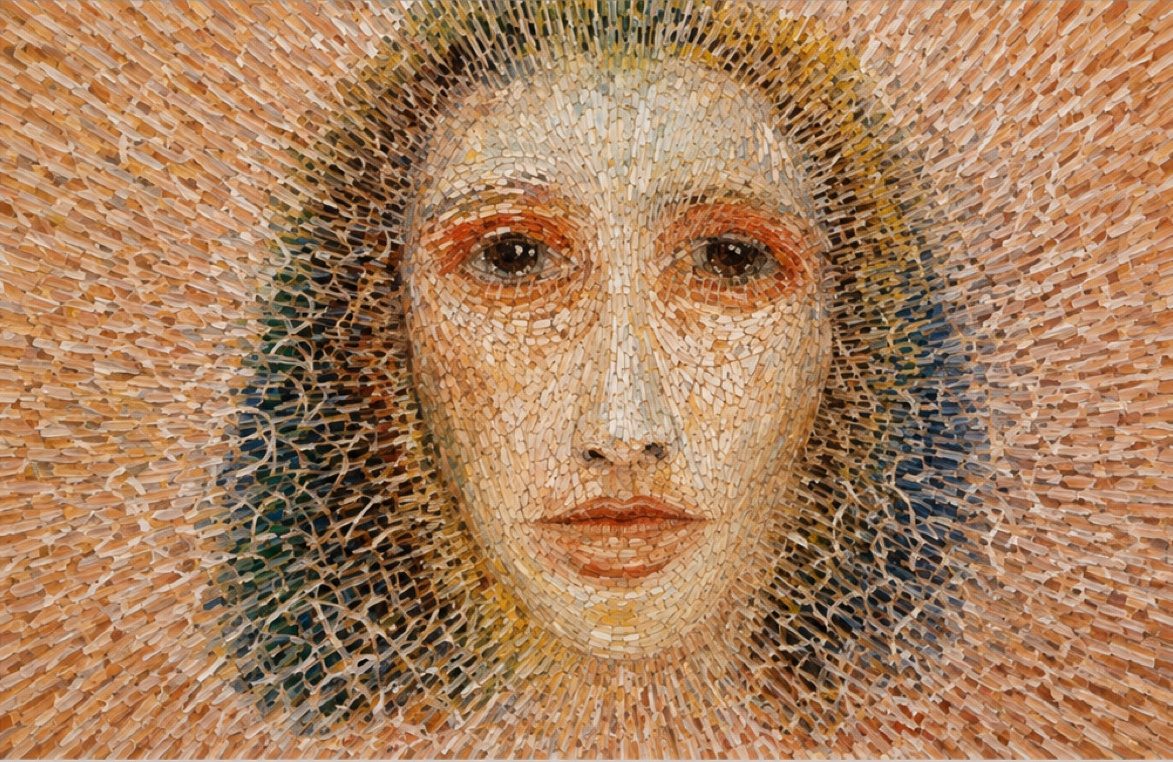
How can colour, repetition and visual vibration make the body felt within an image? Optical Pulse brings together paintings, ink works, woodcuts and illustrations, including the works previously presented as Chromatic Body. The enquiry connects the body as a space of sensation and memory with the rhythms through which an image seems to move. Figures and patterns become different ways of approaching the same question about embodied perception.
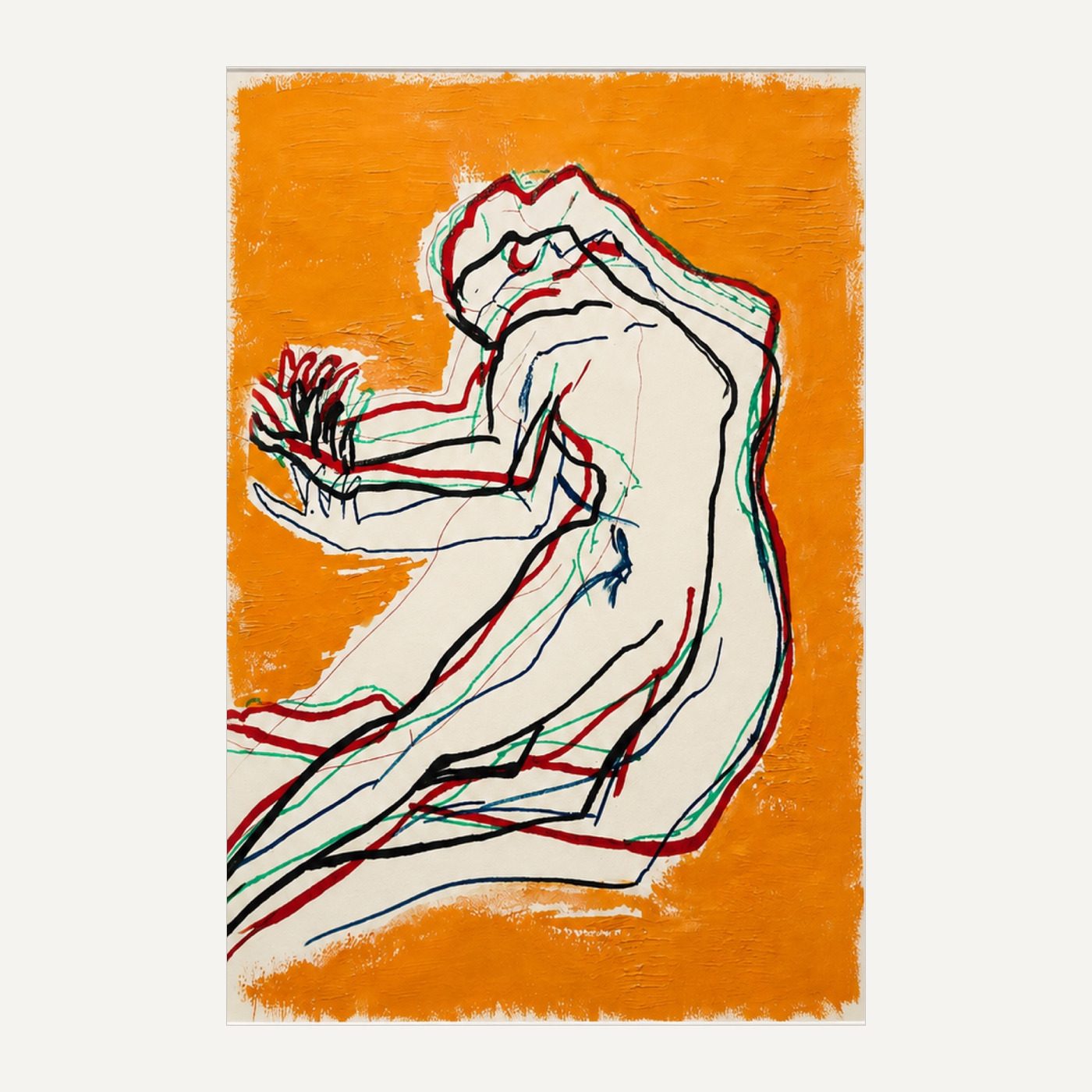
Ink on paper · 25 × 35 cm · 2022
Breath / Flow III
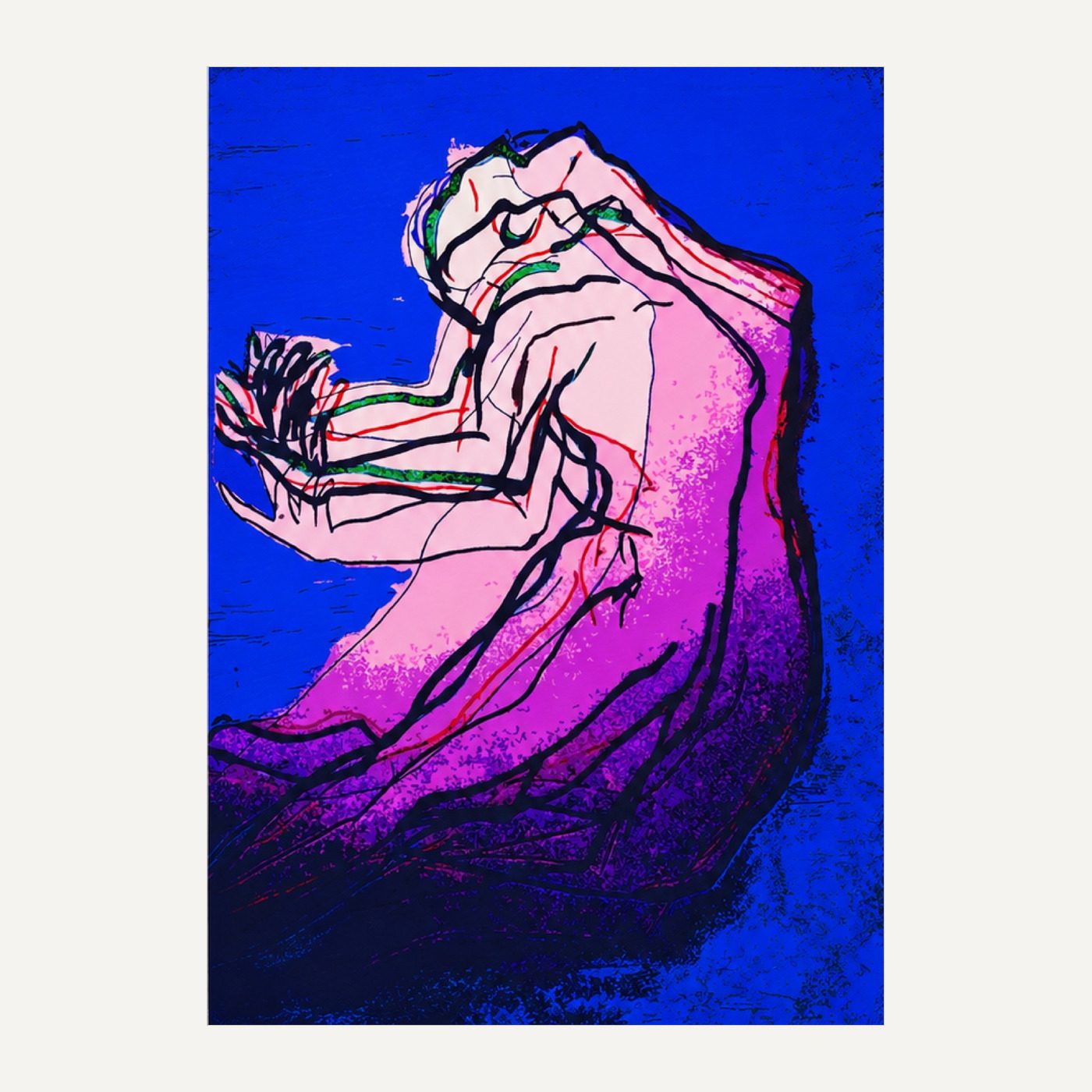
Ink on paper · 25 × 35 cm · 2022
Breath / Flow II
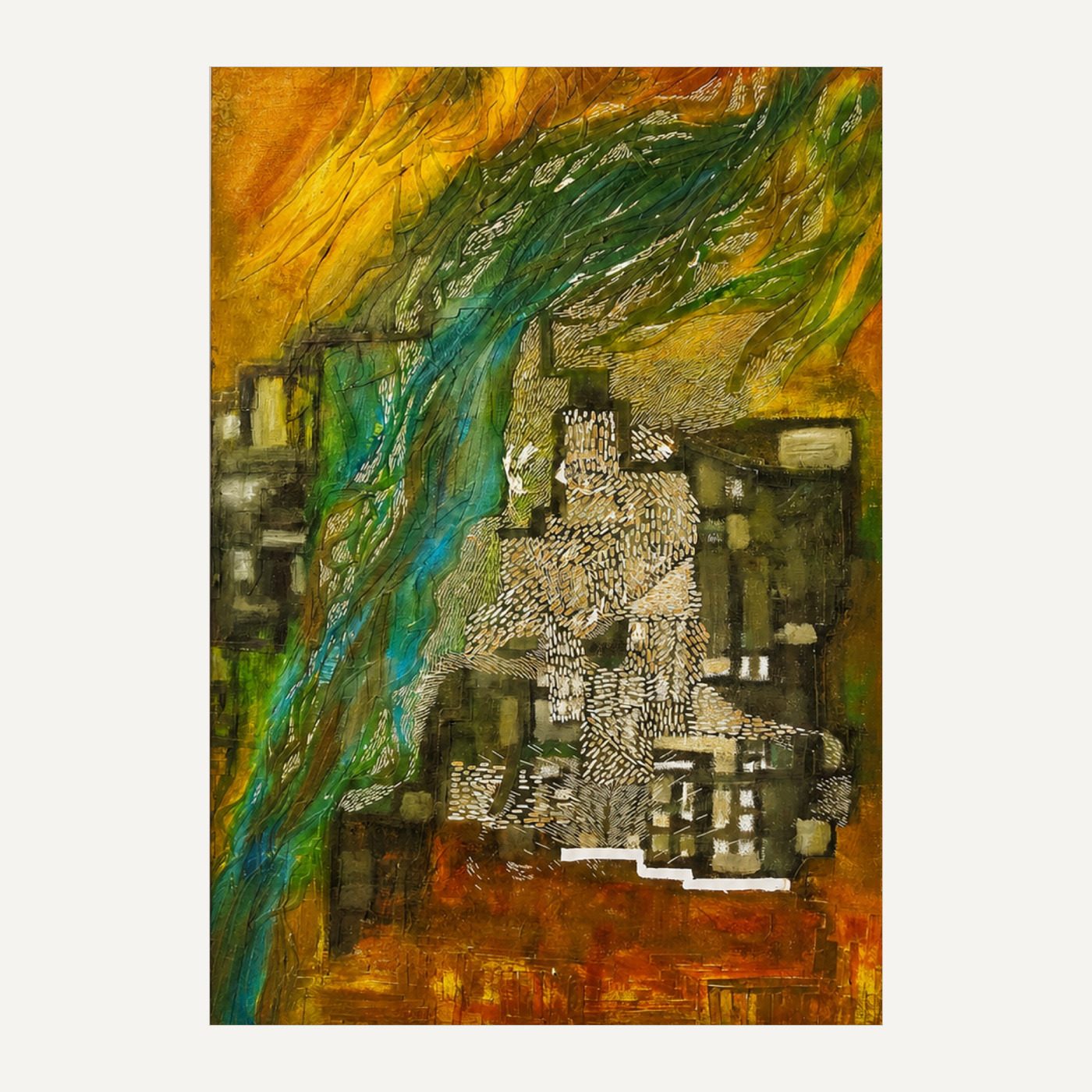
Oil on canvas · 100 × 140 cm · 2021
Fluid City
My background in performance and movement informs this relationship between making and looking. Oil painting gives bodily forms density; ink, incision and repeated marks establish other rhythms. Symmetry, shifting contours and the tension between figure and surrounding space allow an apparently stable image to change through sustained attention. Across these works, colour and graphic structure articulate experiences that resist a fixed outline, connecting material gesture with the viewer’s changing perception.
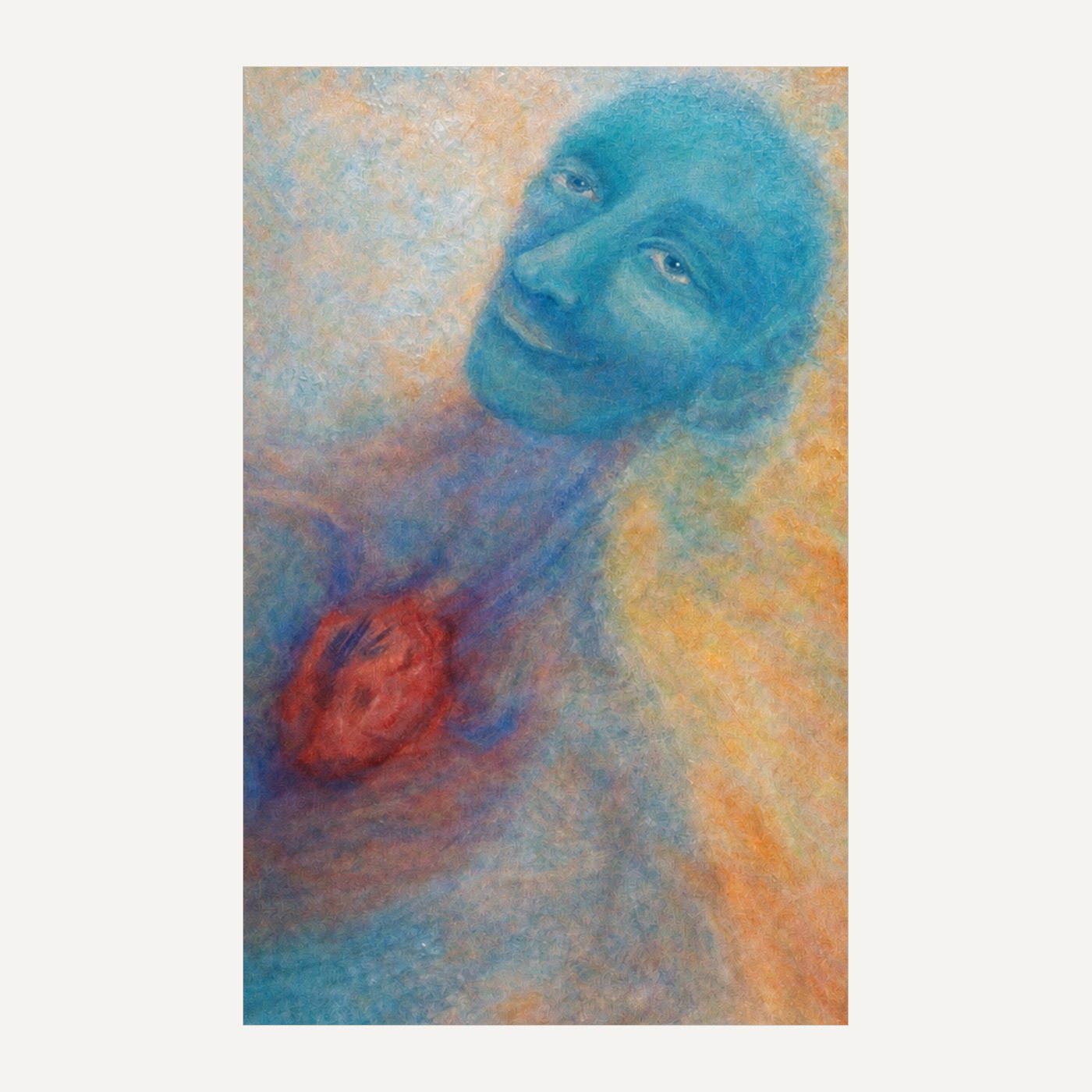
Oil on canvas · 70 × 50 cm · 2021
Blue
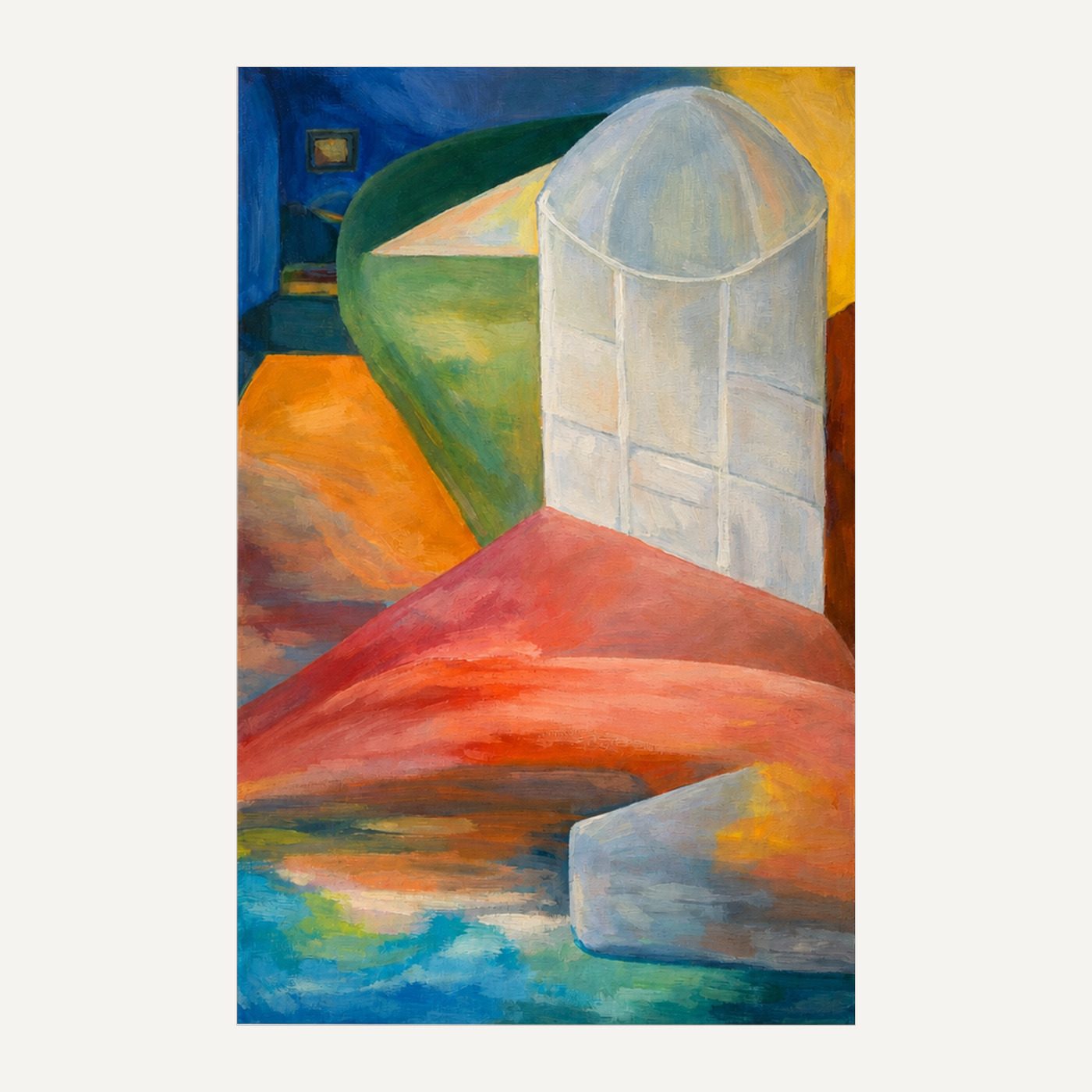
Oil on canvas · 73 × 100 cm · 2020
Study of Forms
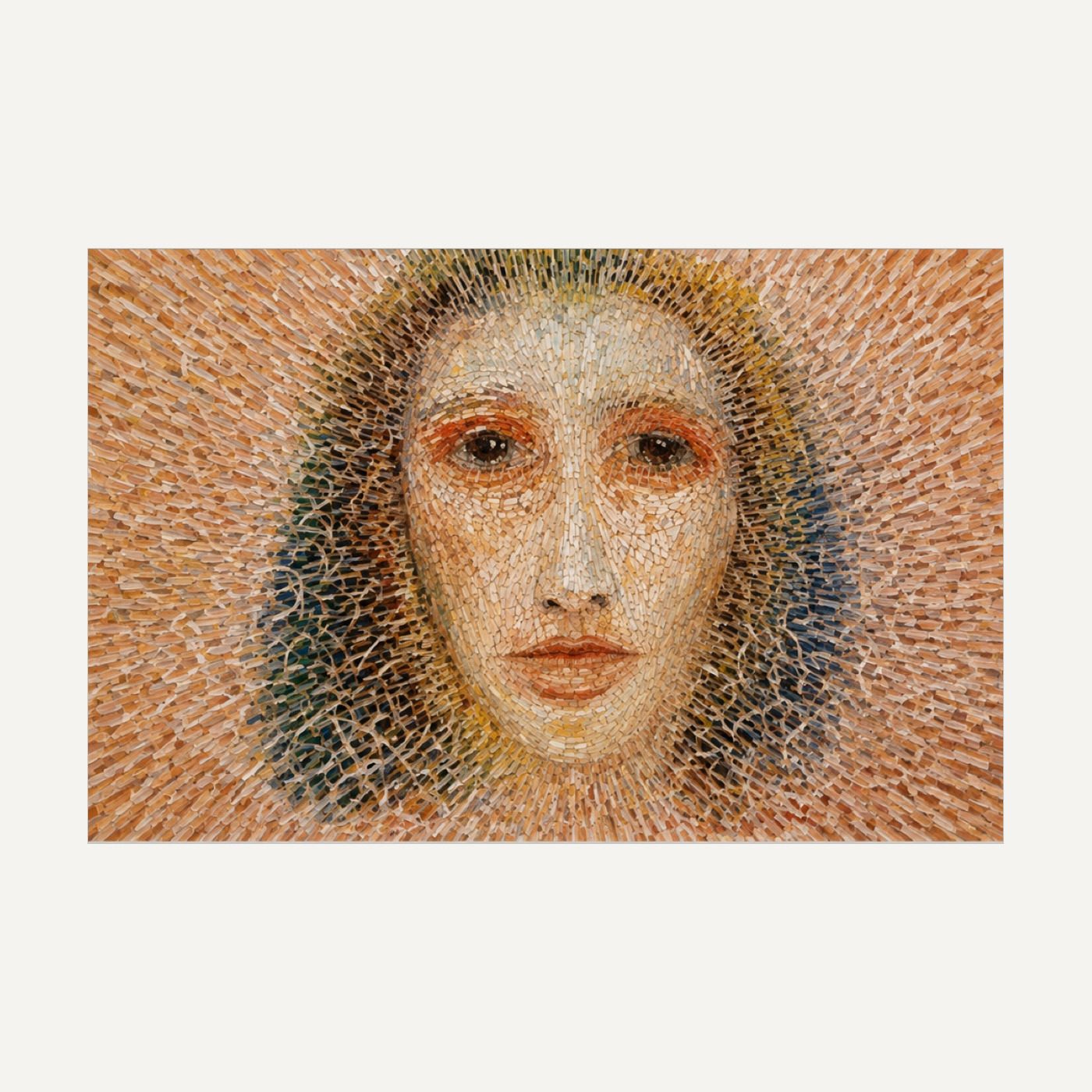
Oil on canvas · 100 × 40 cm · 2020
Inner Mirror
I made the works gathered here as an ongoing artistic investigation into bodily presence and representation. Seen together, they connect the vulnerability of a painted figure with the pulse of repeated lines, holding sensation, ambiguity and transformation within the same field. The individual artwork pages retain their techniques, dates and dimensions. This combined selection extends the enquiry of Body.Interface, asking how the complexity of a sensing body can remain present in the images through which we represent ourselves.
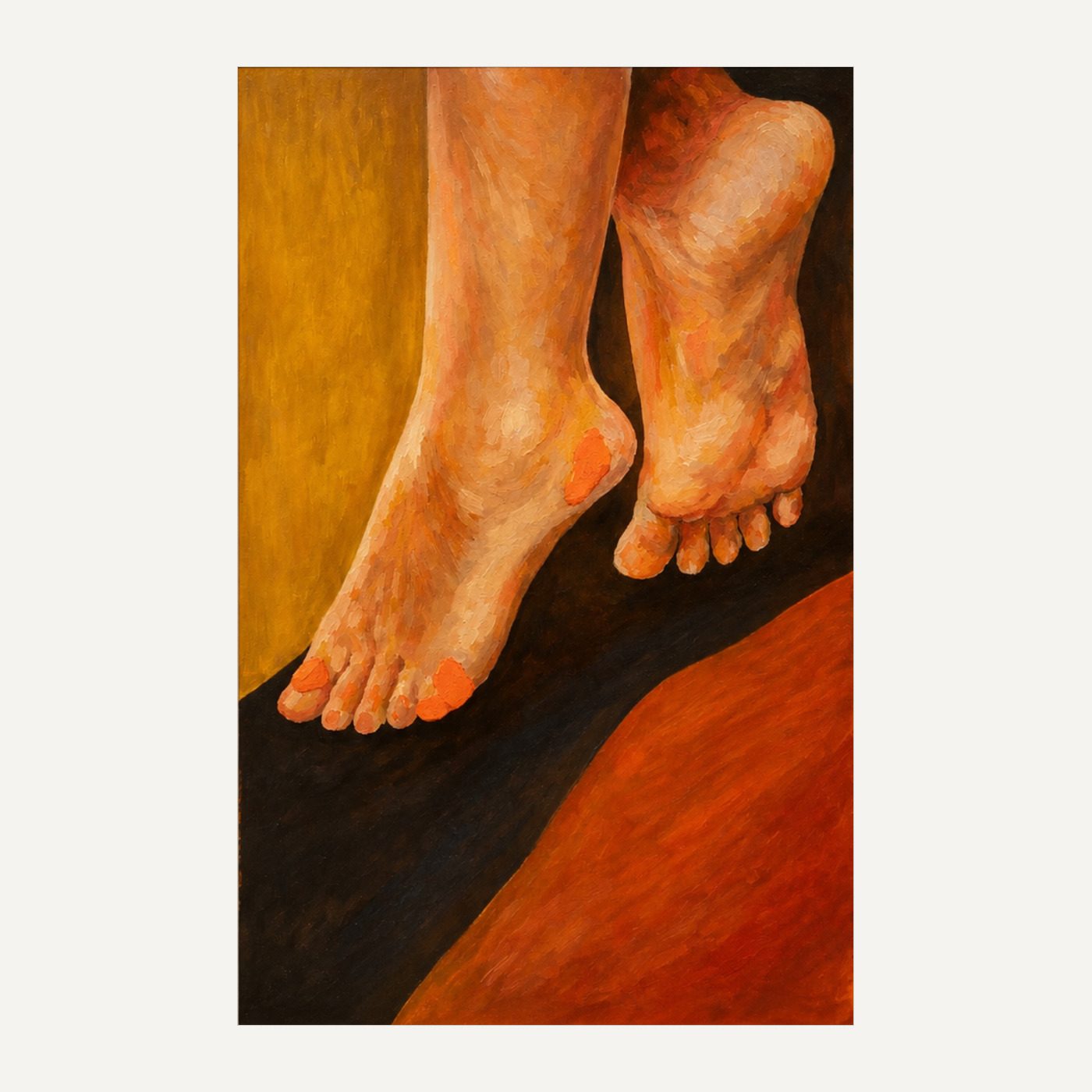
Oil on canvas · 60 × 90 cm · 2019
Feet Study
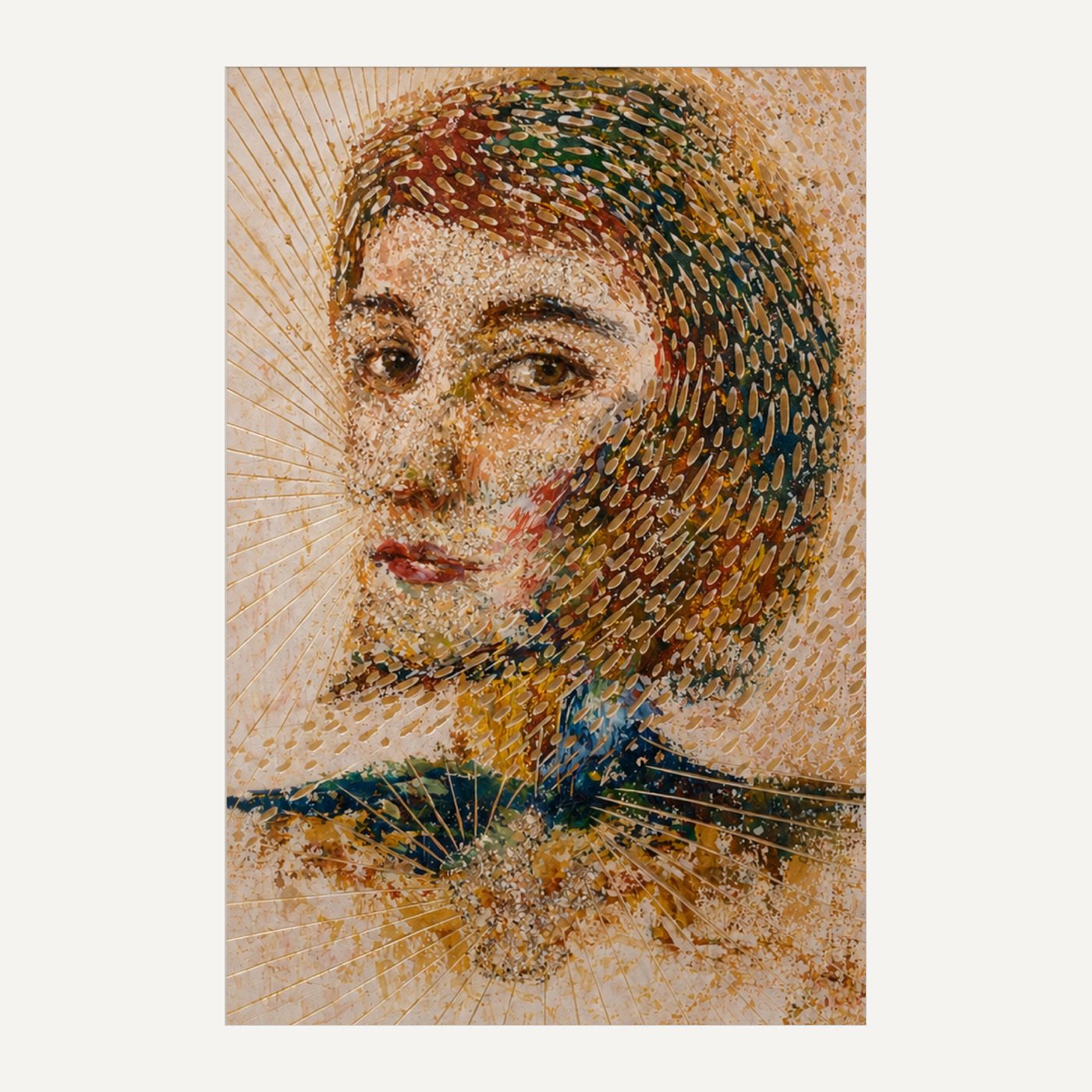
Oil on canvas · 50 × 30 cm · 2018
Gaze
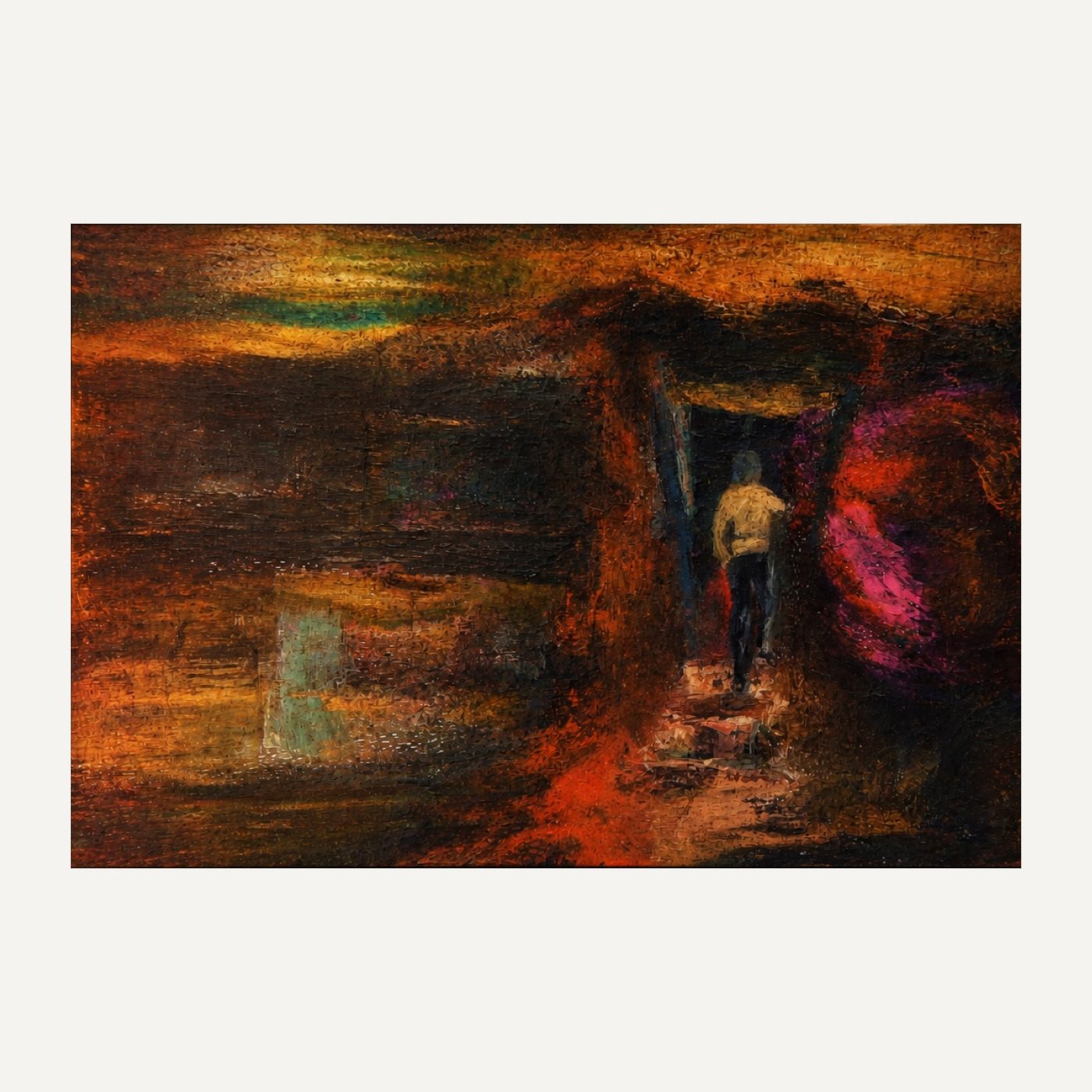
Oil on canvas · 70 × 100 cm · 2017
Walker
Credits
Artist: Gina Marin
Read more · Research, process and context
Optical Pulse investigates how repetition, symmetry, and the tension between line and surface generate a sense of movement. Developed through woodcut, painting, and illustration, the series approaches image-making as a material negotiation between gesture, resistance, and rhythm. Incision, colour, and drawn marks establish visual structures whose apparent stability shifts through sustained observation.
Informed by my background in performance and movement, the project understands perception as an embodied process. The rhythm of making finds a correspondence in the viewer’s shifting attention, connecting the physical production of an image with its sensory experience. Within my broader research on bodily presence and mediation, the series examines how visual patterns organise perception while remaining open to ambiguity.
Chromatic Body · Research context
Chromatic Body brings together paintings and ink works that explore the body as a space of sensation, memory, and continuous transformation. Developed alongside my practice in performance, movement, and artistic research, the series approaches image-making as an embodied process: a negotiation between gesture, material, and perception. Colour becomes a way of articulating experiences that resist a stable outline, while the relationship between figure and surrounding space opens questions about where the body ends and its environment begins.
Within my broader research into bodily presence and personal agency, these works consider how lived experience takes form before it becomes a fixed or recognisable image. The encounter between oil painting and ink connects the density of flesh with the movement of breath, allowing different rhythms of embodiment to coexist. This inquiry also resonates with my thesis on subjectivity and digital mediation: how can the complexity of a sensing body remain present within the images through which we represent ourselves? Chromatic Body develops this question through material practice, allowing ambiguity, vulnerability, and change to remain visible.